Engineering AI
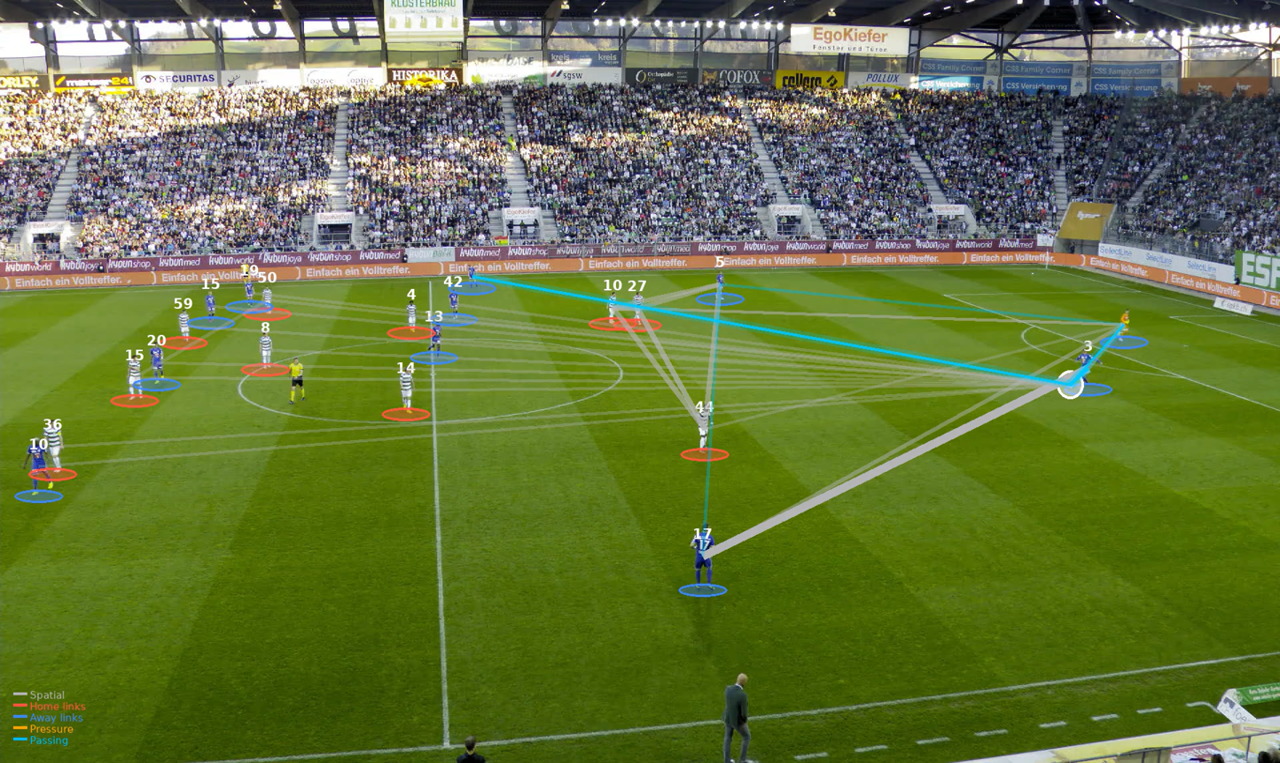
Engineering AI research philosophy, illustrated through football and automotive CAE.
![[Demo] Engineering Workflow, Reimagined with Agentic AI.](/blog/2026/06/engineering-workflow-reimagined-with-agentic-ai/cover.png)
Having spent years working with engineering design, optimization, control using simulation and AI technologies, I have long envisioned a workflow where these powerful tools could collaborate autonomously under Engineer supervision. Today, Agentic AI is making this possible.
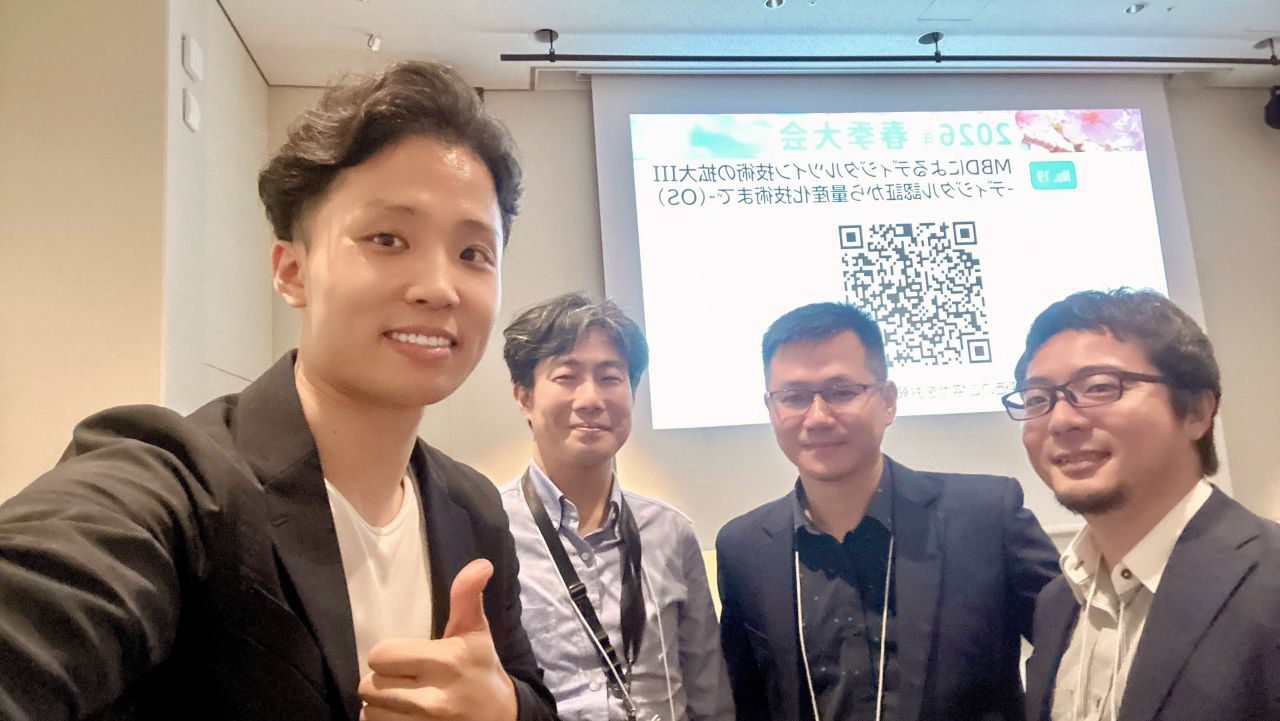
Had a nice week in the Japan office with Siemens and Altair colleagues, presenting at JSAE and a packed schedule of customer and partner visits.
![[Paper] Graph Learning for 3D Engineering AI: Explainable Workflows](/blog/2026/05/graph-learning-3d-engineering-ai/cover.png)
When working with industrial AI, training a high performance prediction model is only one part of the challenges. Other critical aspects include:
![[Paper] Automotive Engineering-Centric Agentic AI Framework](/blog/2026/04/automotive-engineering-centric-agentic-ai-framework/cover.png)
AI Agents and Agentic AI are increasingly considered in engineering workflows, not just for coding, reasoning, but also to learn from historical data and enhance automation. The big question remains: what real added value do they bring to engineering practice, i.e how AI Agents helps to accelerate simulation modeling, control design, or MBSE processes.
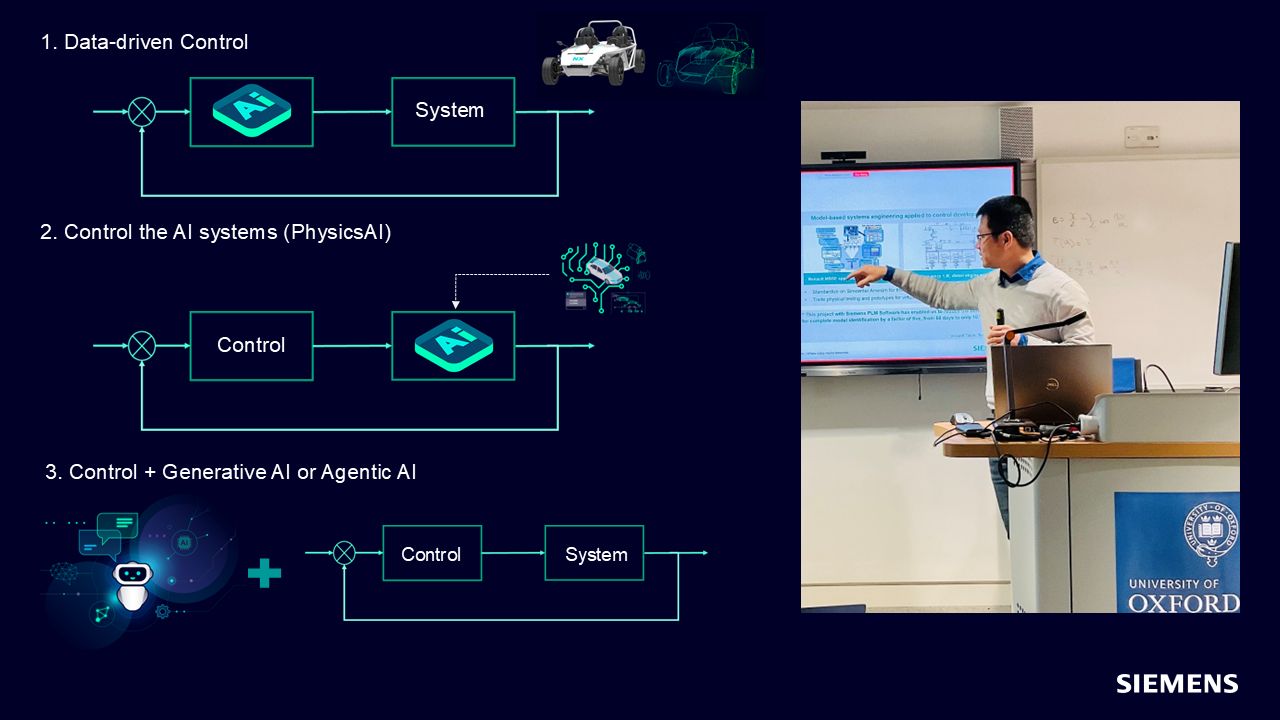
Last week, I had the pleasure visiting the Oxford Control Group to give a seminar and exchange ideas with faculty members and students. It was also great to meet the PhD student Rory Halsall, whom we jointly supervise within the collaboration between UK Research and Innovation and Siemens :).
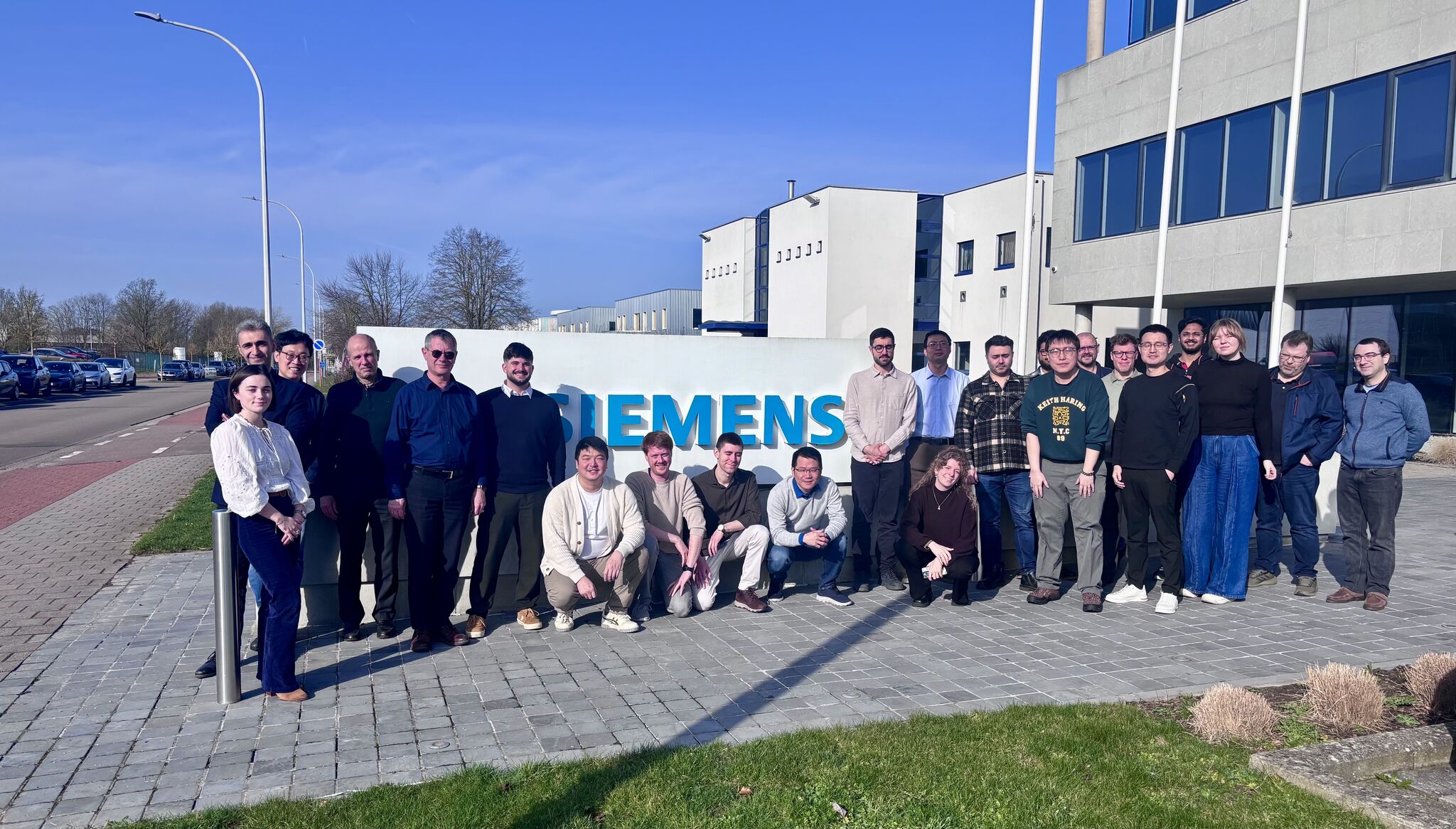
It is great to welcome partners and colleagues from the EU RobustifAI project (Robustifying Generative AI through Human-centric integration of Neural and Symbolic methods) to Siemens office for technical updates, discussions, and AI knowledge exchange.
![[Demo] Industrial AI: CFD PhysicsAI](/blog/2026/02/industrial-ai-cfd-physicsai/cover.png)
The next wave of Industrial AI is accelerating, with physics-aware, trustworthy, and integration into engineering workflow.
![[Demo] From Crash Data to Simulation Model](/blog/2025/09/from-crash-data-to-simulation/cover.png)
Connecting real crash data with standards (Euro NCAP, UNECE, ISO…) and ASAM OpenSCENARIO model
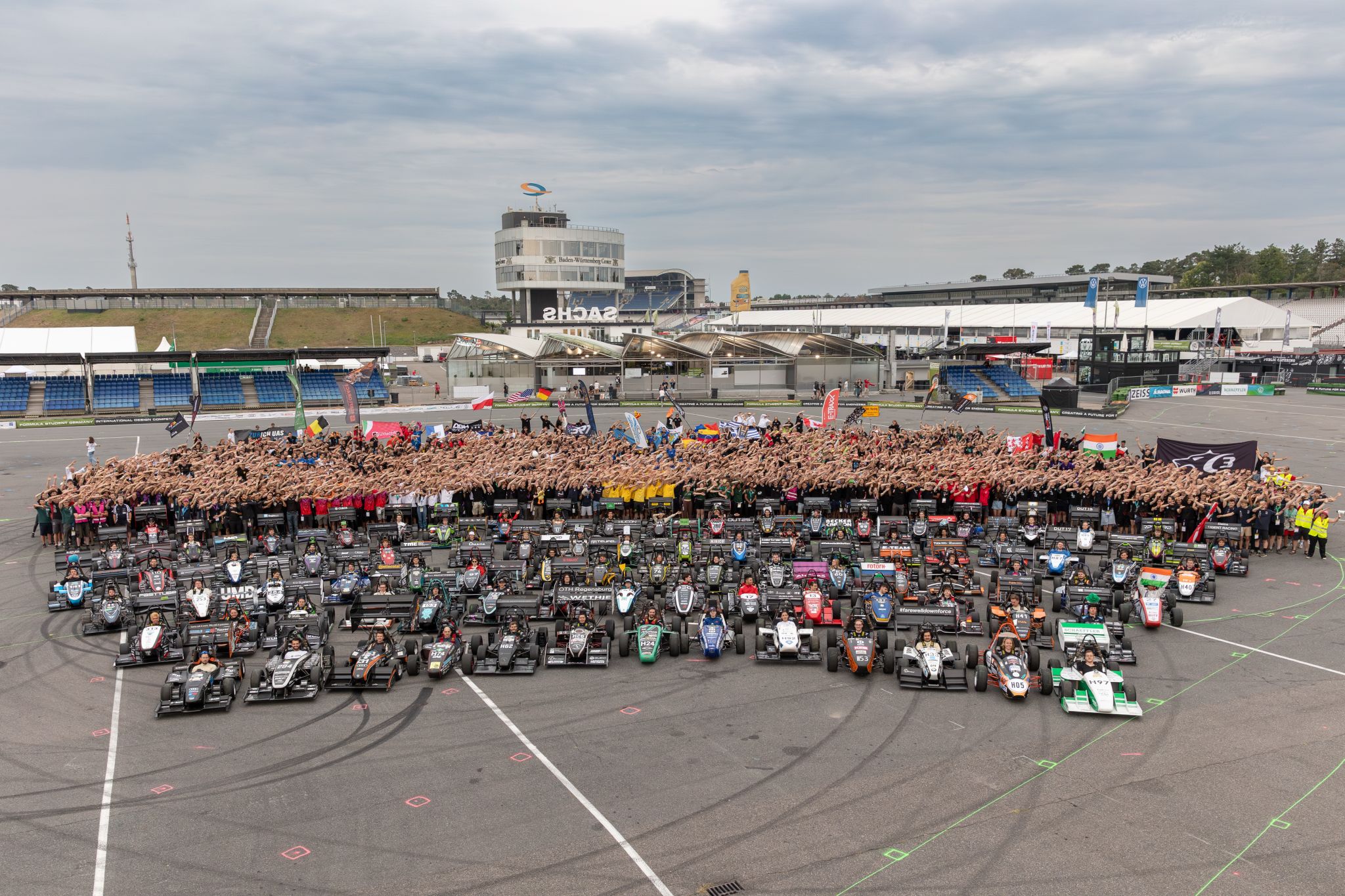
I’m grateful to have participated Formula Student event this year again as a Judge for the driverless racing category, and delivered a lecture on recent Digital Twin and Generative AI technologies in the industry. Above all, it’s always a pleasure to see Siemens well presented in the event and on many of those cars :).
![[Industrial PhD Position] Co-supervise with Univ. of Oxford](/blog/2025/08/phd-position-oxford/cover.png)
FYI, interesting PhD position on data-driven optimal control for Air Mobility and Battery Management in Oxford Control Group.
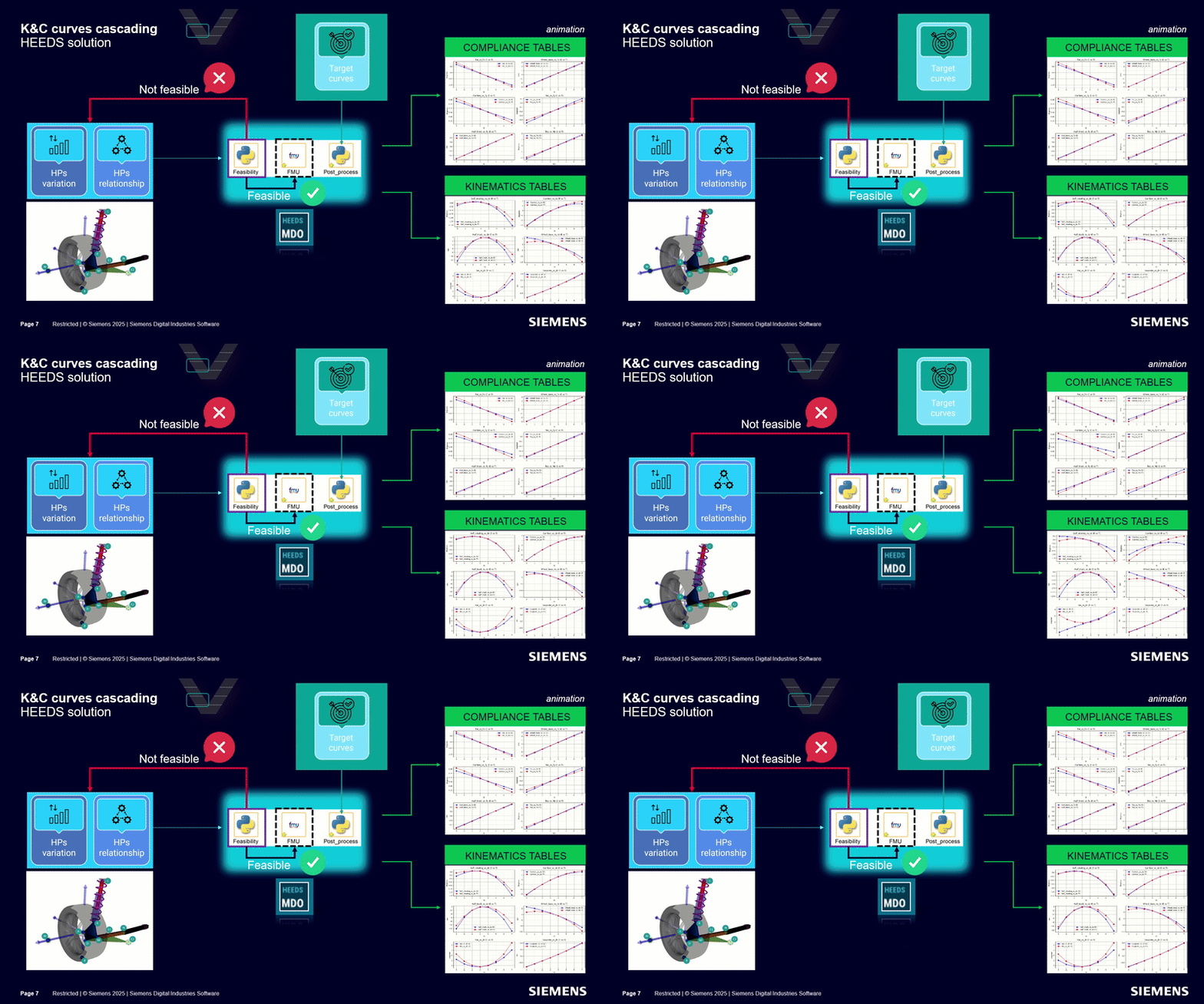
Nice pieces on suspension design, from 1D target cascading to 3D design requirements.
Launched in June 2025 with a total budget of 9.3M€. The project aims to develop a rigorous design and deployment methodology tailored for reliable, robust and trustworthy Generative AI.
![[Demo] Explainable MPC Control](/blog/2025/05/explainable-mpc-control/cover.png)
One often overlooked topic in control systems engineering is explainability. Control engineers are typically trained, through university or research, to design systems from the ground up, starting with physics-based modeling, model identification, stability analysis, control design, and then iterating with performance evaluation. This process provides engineers insight into the system, enabling intuitive for parameter calibration.
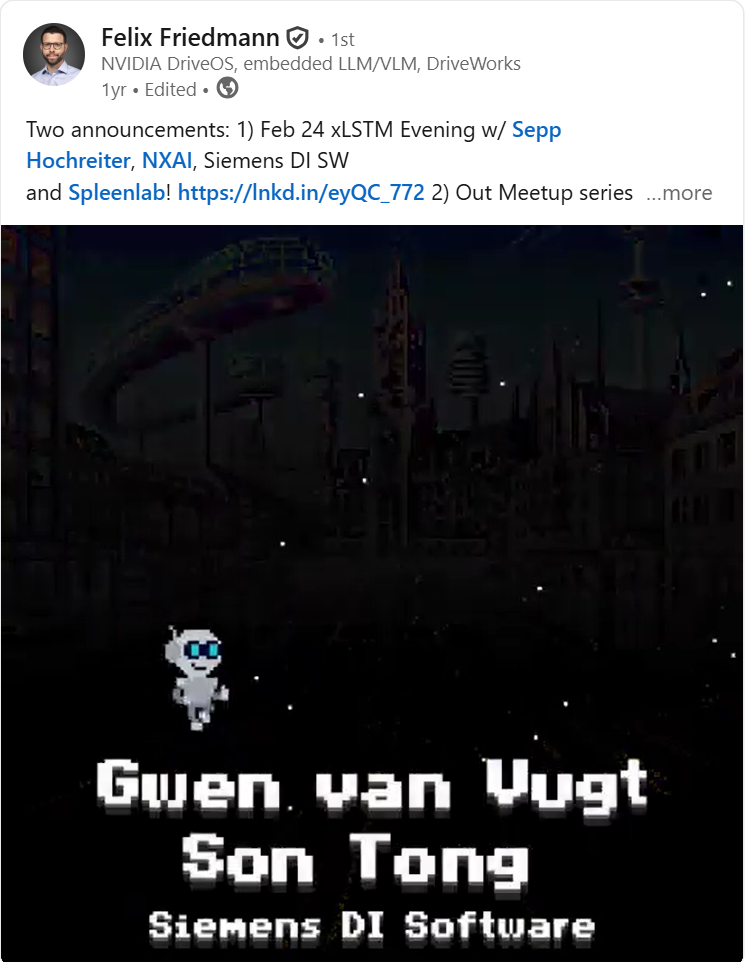
I am honored to have opportunity to speak at this distinguished gathering alongside experts in AI and industry
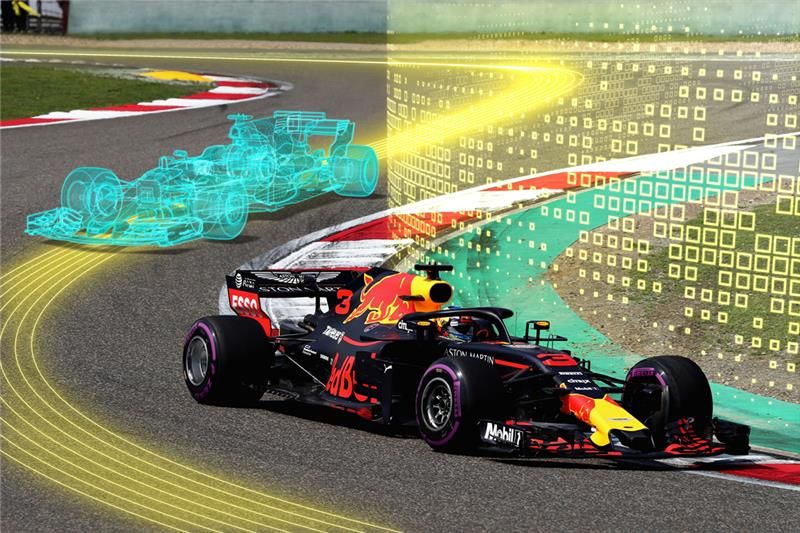
Autocalibration control technologies can drastically reduce time and cost for engineers when moving from simulation to real-world testing. The method is for wide range of applications, not only autonomous driving.
![[Paper] 8th IFAC NMPC2024 Award]](/blog/2024/09/paper-8th-ifac-nmpc2024-award/cover.jpg)
From my industrial PhD Jean-Pierre: Proud and honored to have won the Young Author Award at the 8th International Federation of Automatic Control Nonlinear Model Predictive (IFAC NMPC2024) conference, held in the prestigious city of Kyoto, Japan.
![[Demo] Real2Sim nScenes dataset]](/blog/2024/08/demo-real2sim-nscenes-dataset/cover.png)
While simulation continues to play an important role in autonomous driving development and validation, one of the main challenges is to have a credible simulation environment and data.
![[Paper] JSAE2024 Congress](/blog/2024/05/jsae2024-congress/cover.png)
Together with Siemens colleagues in Japan, we are happy to jointly presenting our recent technologies on logged data and simulation exploitation for ADAS validation in JSAE2024 Congress (Japanese Society of Automotive Engineers), May 22-24 in Yokohama, Japan.
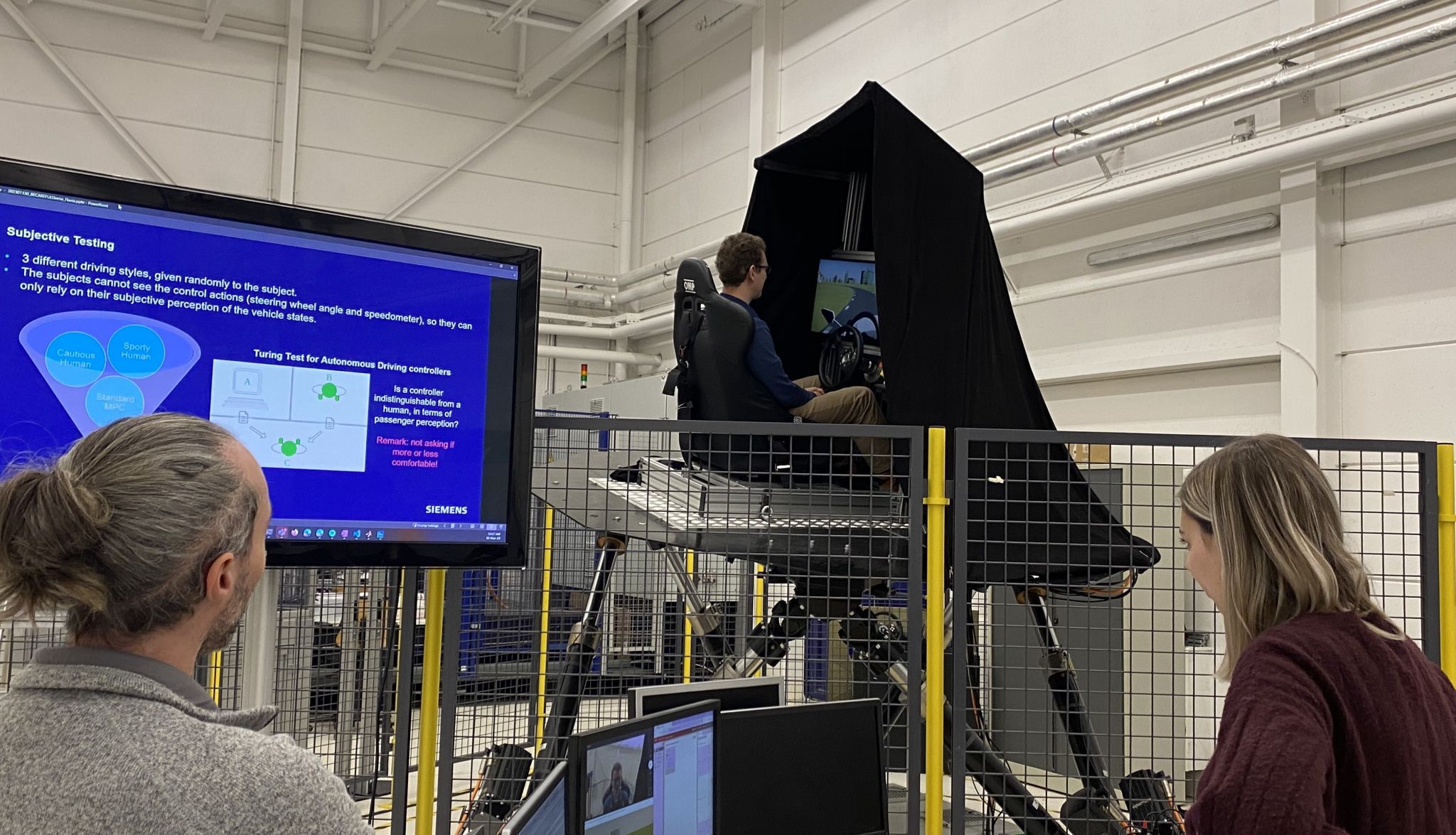
The goal of this project is to enhance safety and comfort in autonomous driving. Altogether we are developing and advancing different ADAS technologies, i.e. data collection, processing, scenario extraction-generation, algorithms (AI, control), XiL testing (X = model, hardware, human), and validation using several autonomous vehicle platforms.
While keep pushing the boundary of AI technologies in safety-critical applications like autonomous vehicles and medical applications, at Siemens we have been jointly develop with FOCETA partners technologies like requirements formulation, critical scenario generation, safety monitoring, explainable AI, adversarial examples....
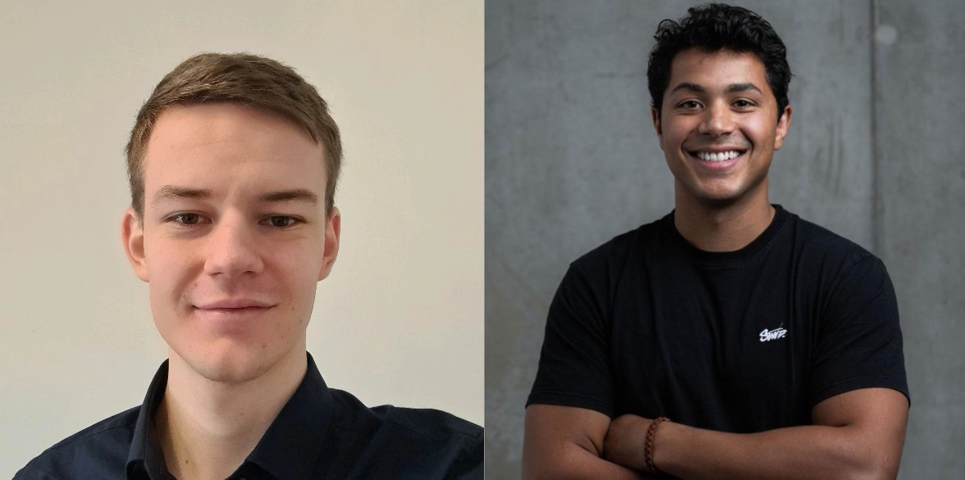
This semester we have a pleasure to welcome two Master thesis students working full time with our ADAS team in Siemens Digital Industries, Leuven office: Jasper van Leuven (TUDelft, Netherlands) and Sven Becker (EPFL, Switzerland).

Today marks my 7-year PhD graduation from KU Leuven as well as the time working at Siemens Digital Industries Software. My experiences and ambitions of innovation keep rolling :).
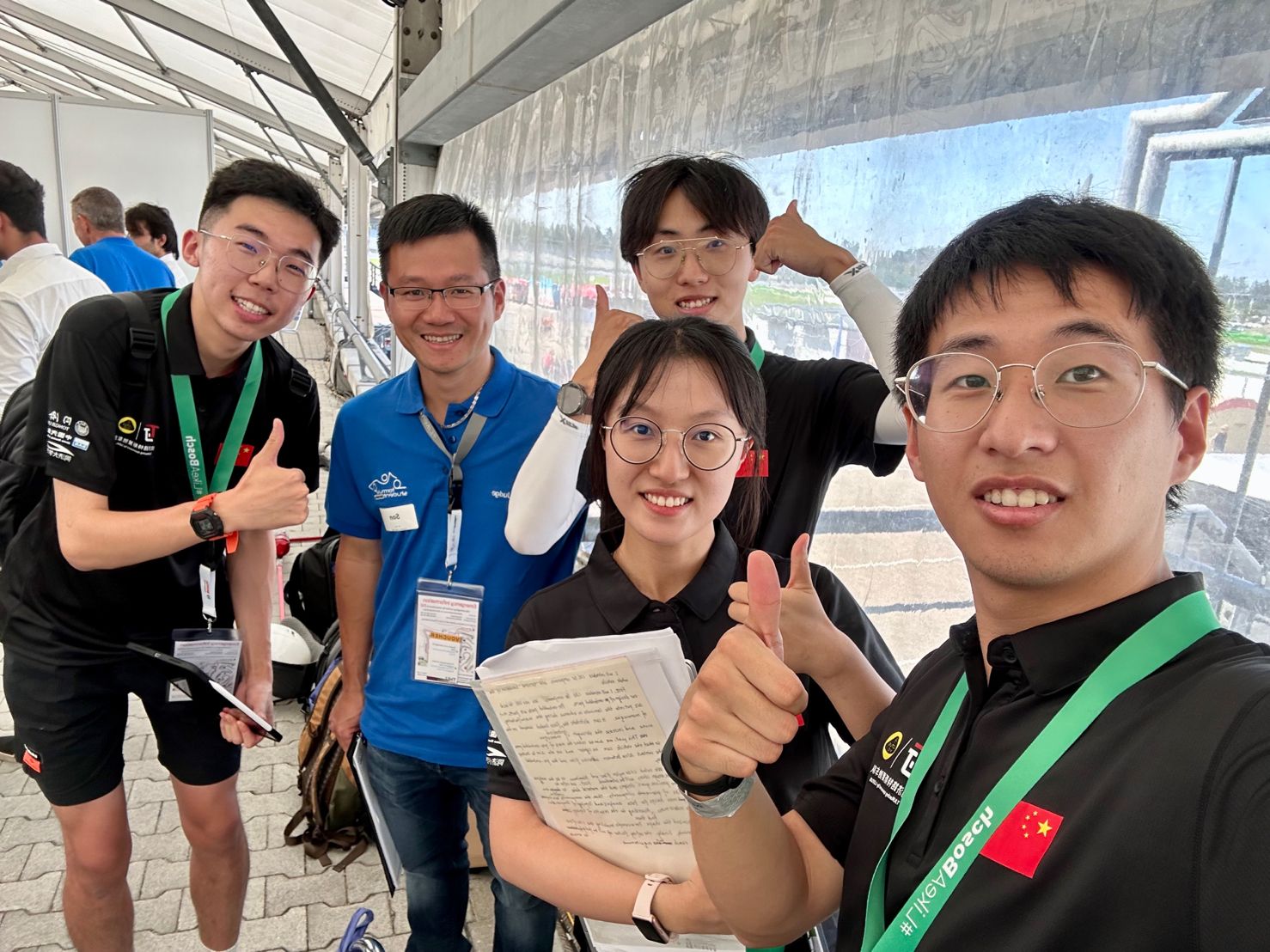
A great pleasure to act as a judge for the interesting Formula Student Germany event this week, in the driverless category. Seeing many talented, motivated students working and speaking on similar technologies to what we are doing in ADAS industry ;).
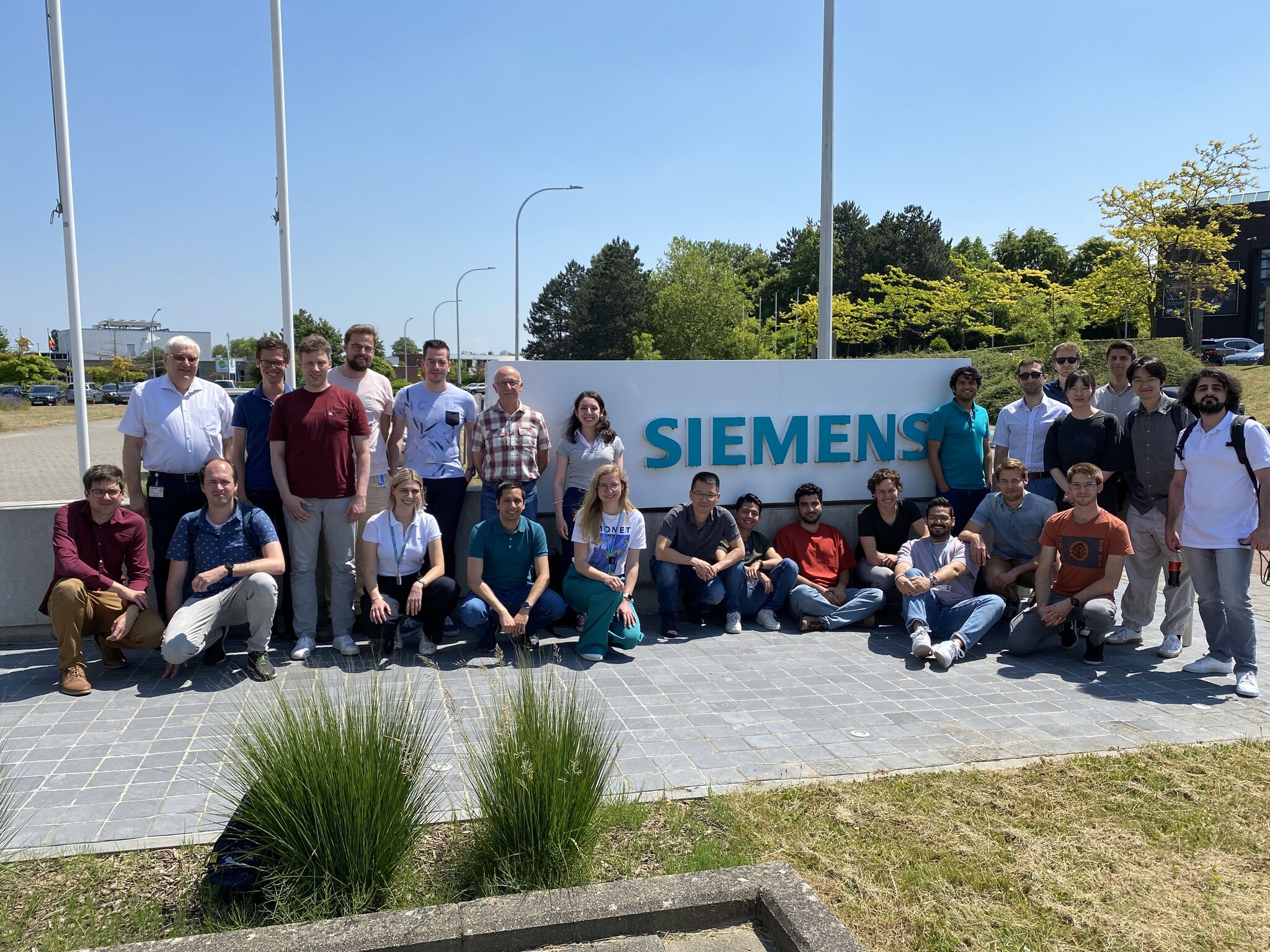
It was exciting to welcome the MECO group from KU Leuven last Friday at Siemens Digital Industries Software in Leuven.
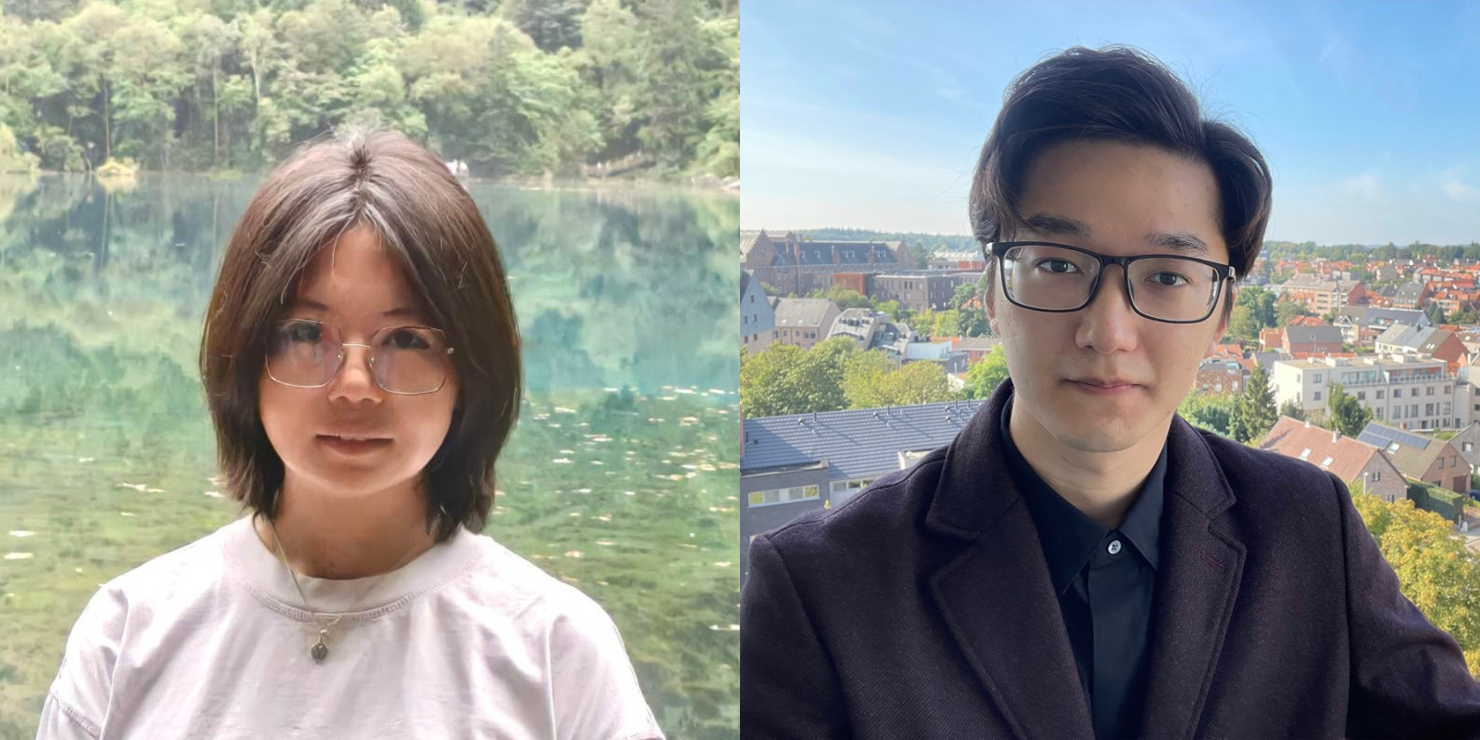
This period we have had a pleasure to welcome two visiting PhDs: Shuhao Zhang and Renzi Wang from KULeuven, who are visiting our ADAS team at Siemens Digital Industries Software office in Leuven for 3-4 months. Both is working on ADAS challenges related to learning perception and motion planning under uncertainty conditions, with driving data from Siemens.
We are working together with other EU partners to develop continuous engineering of trustworthy autonomy and implement on industrial autonomous system use cases. In this project newsletter, you can discover more our recent findings and activities. In addition, I also gave an interview (page 7) on my role in the project and more general views on not only technical challenges but also collaborations between industry-academic
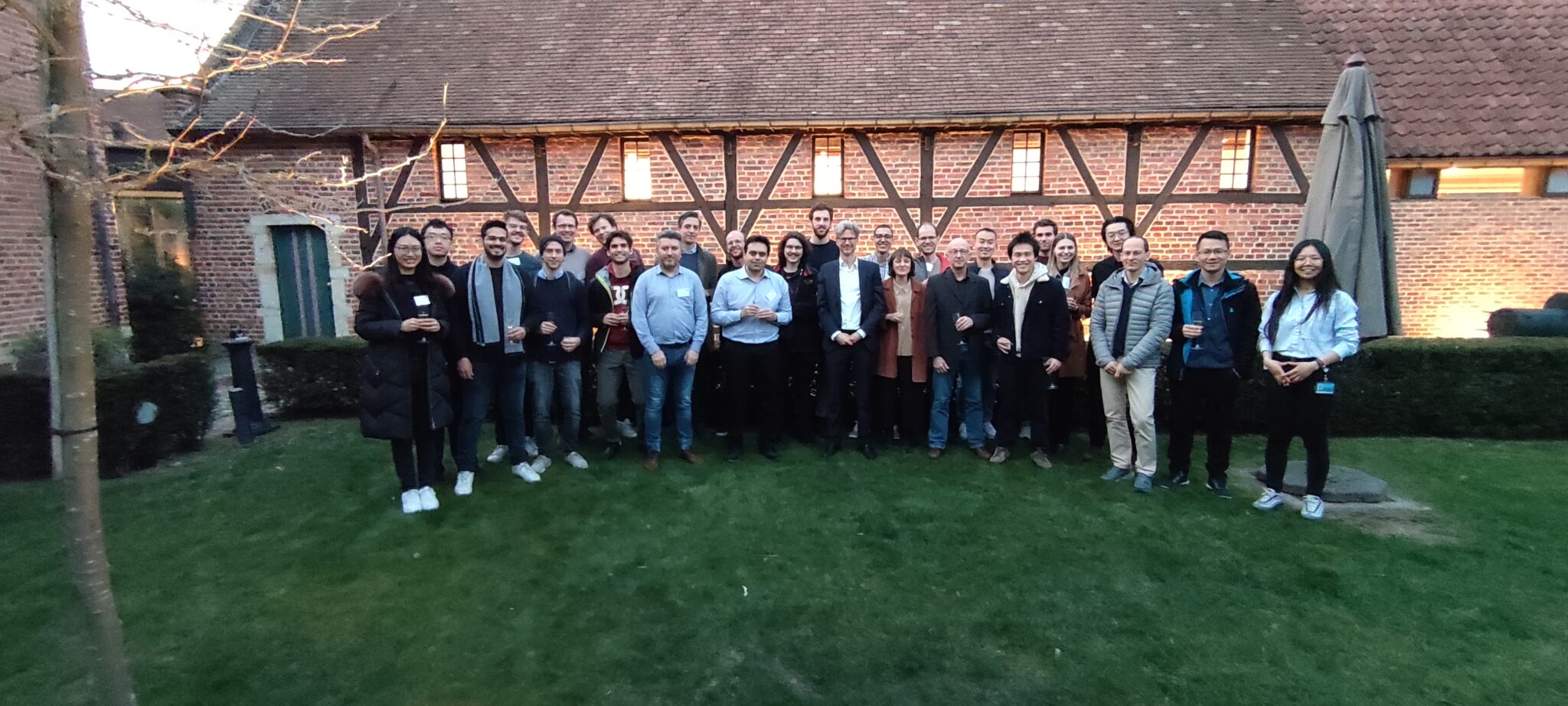
This week we just organized a workshop in Leuven office for the Marie Curie ITN ELO-X supervisors and ESR fellows.
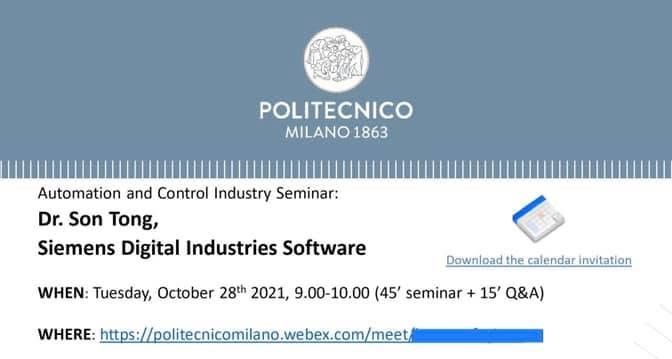
Today I got a great pleasure to be an invited industrial speaker to the students of the Automation and Control Engineering Program of Politecnico di Milano, one of the largest programs I know so far in the field (i.e. with more than 400 control engineering students). I was excited with the opportunity to share and inspire the students with Siemens Simcenter, Digital Twin and engineering technologies, in particular our team developing autonomous vehicle control and testing solutions. Thank you again Prof. Lorenzo Fagiano for the invitation!
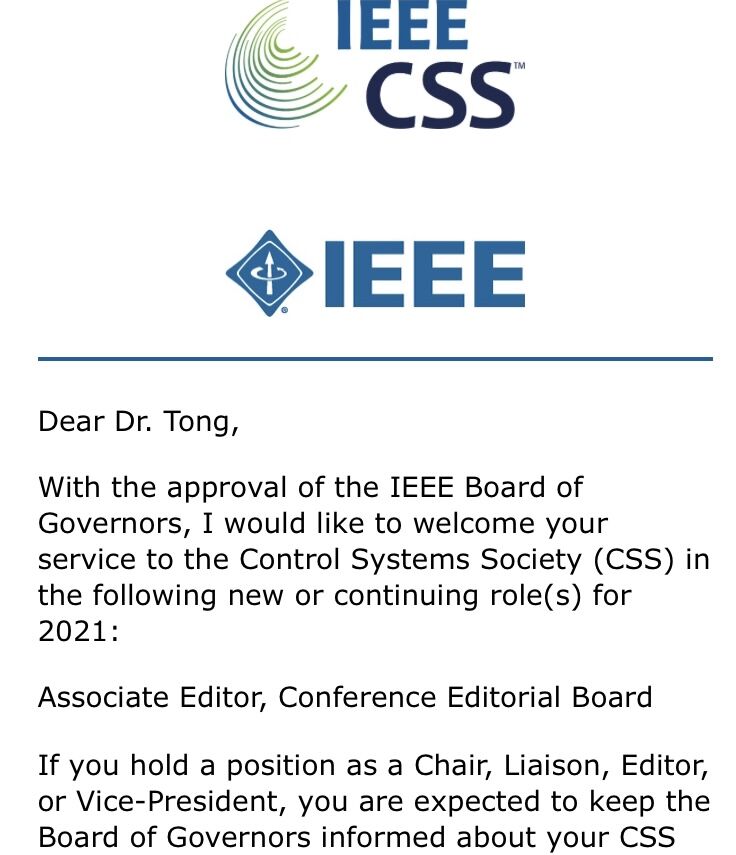
This is my third year serving in the control system society as Associate Editor for conferences like CDC and ACC. A small role but I find this editorial work is an interesting way to keep updated with (and learn from) latest developments regularly from academics, and at the same time provide my R&D industry visions to the community!
Great to hear that. Looking back I have supervised some students doing thesis/internship in the company in the last 2-3 years, and six of them found their profesional careers after study at different teams of Siemens.
![[Demo] From Development (Perception, Planning, Control) to Validation Framework](/blog/2021/01/from-development-to-validation-framework/cover.png)
Besides, a nice example of collaboration not only within the team engineers but also with Marketing dept., who captures well the main messages, on-site ADAS demos and put them in such illustrative video

I'm proud to have received the 2018 Siemens DF PL Invention of the Year Award. The solution will be contributed to Siemens PLM Software autonomous vehicles sector business
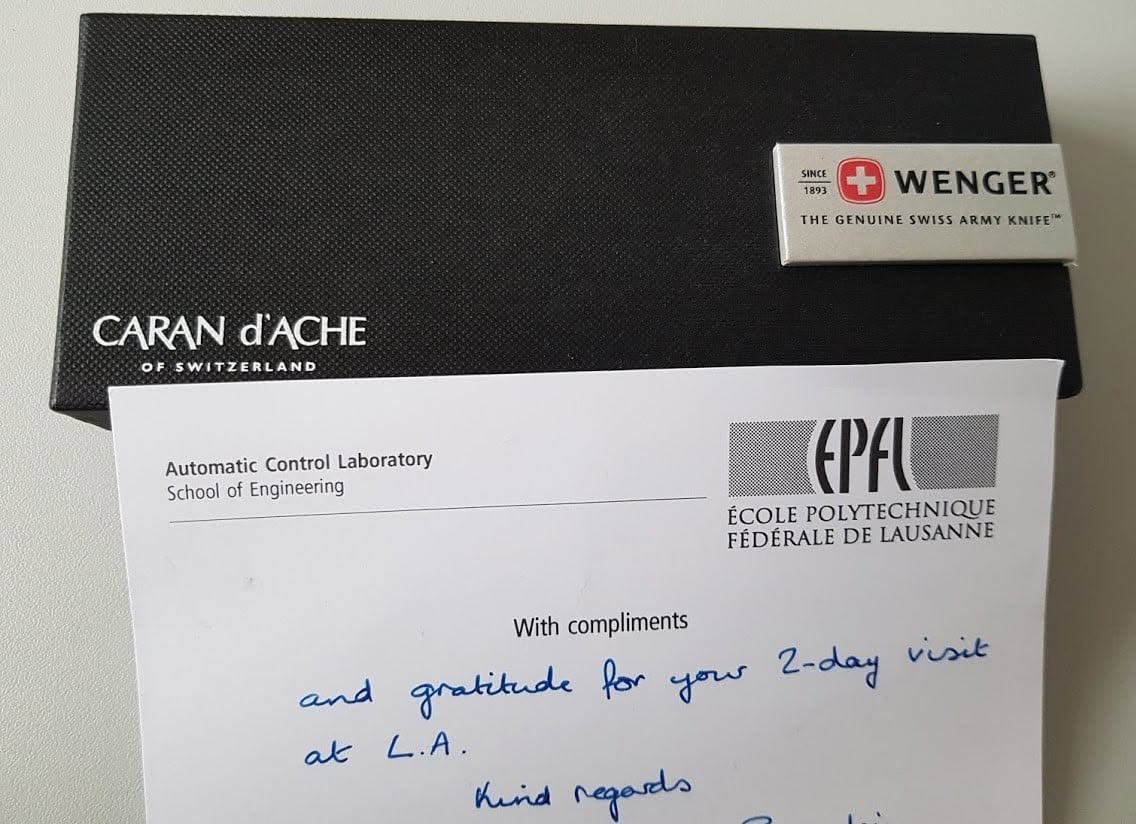
A great pleasure to visit Automatic Control Laboratory (LA) and Prof. Colin Jones