All Posts
![[Demo] Explainable 3D Mode Shape Recognition Using Region-Aware Graph Neural Networks](/blog/2026/08/graph-neural-network-mode-shape/cover.png)
Can AI learn to reason about 3D structural dynamics the way experienced NVH engineers do?
Topic: Generative AI for Automatic Test Case Generation from Crash Databases & Standards
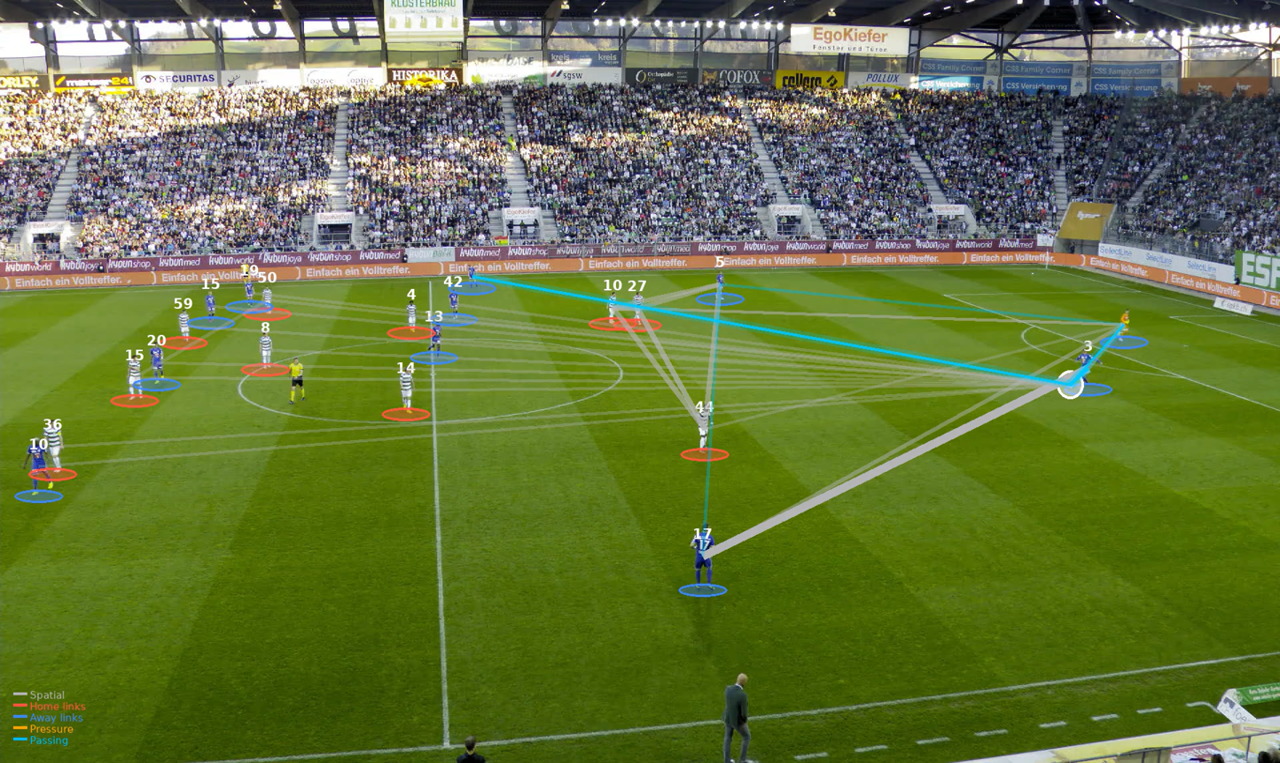
Engineering AI research philosophy, illustrated through football and automotive CAE.
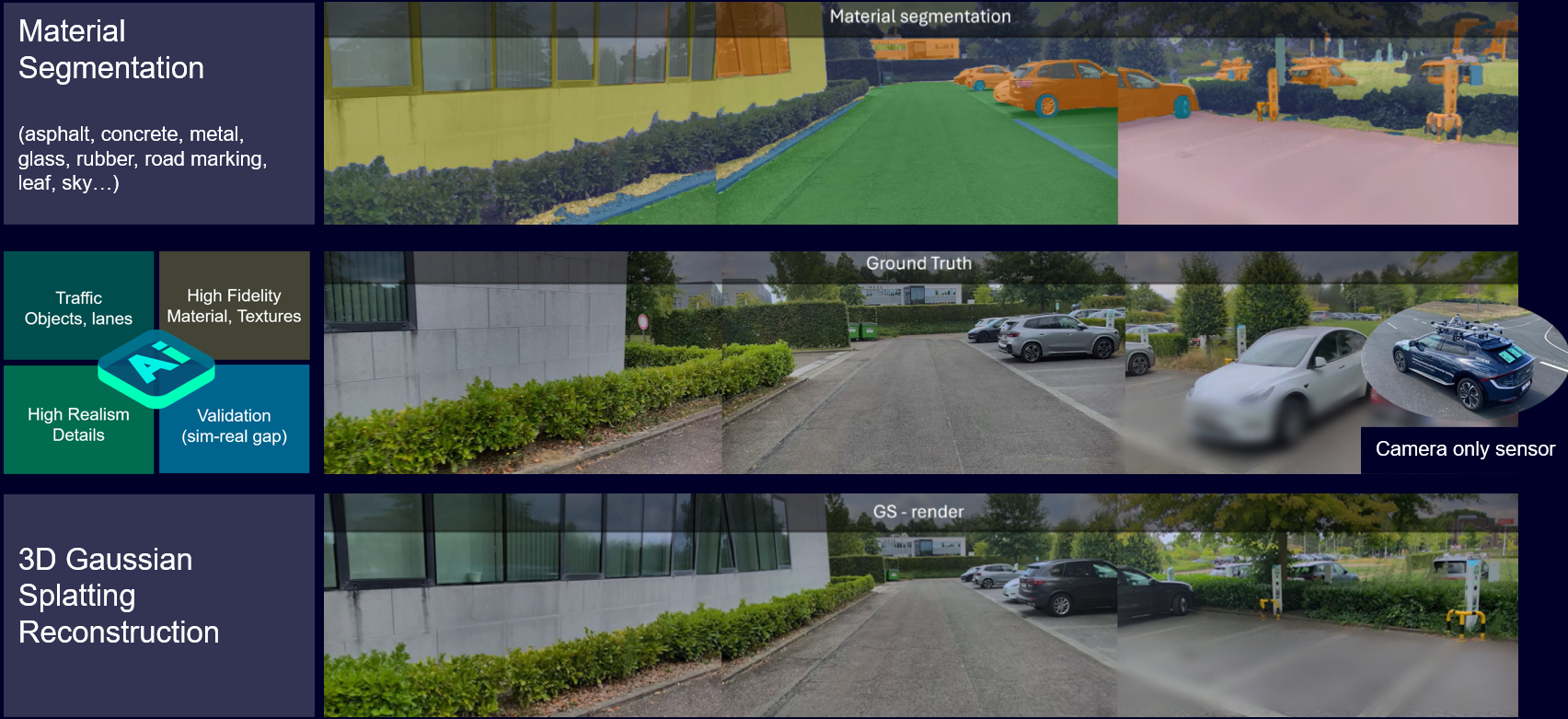
Pushing state of the art in Real2Sim remains one of our key objectives. This requires progress on multiple AI technology fronts simultaneously: physical fidelity, realism fidelity, and automation.
![[Demo] Engineering Workflow, Reimagined with Agentic AI.](/blog/2026/06/engineering-workflow-reimagined-with-agentic-ai/cover.png)
Having spent years working with engineering design, optimization, control using simulation and AI technologies, I have long envisioned a workflow where these powerful tools could collaborate autonomously under Engineer supervision. Today, Agentic AI is making this possible.
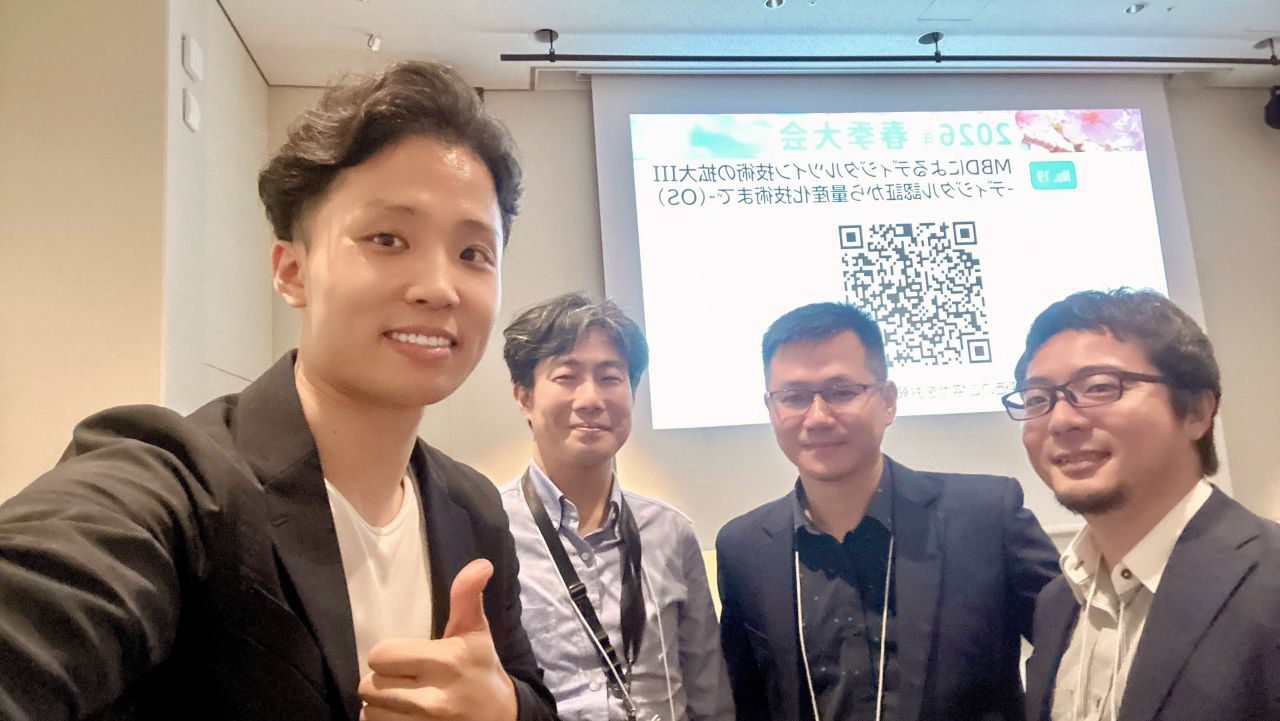
Had a nice week in the Japan office with Siemens and Altair colleagues, presenting at JSAE and a packed schedule of customer and partner visits.
![[Paper] Graph Learning for 3D Engineering AI: Explainable Workflows](/blog/2026/05/graph-learning-3d-engineering-ai/cover.png)
When working with industrial AI, training a high performance prediction model is only one part of the challenges. Other critical aspects include:
![[Paper] Is this the real driver, or is it just a robot?](/blog/2026/05/is-this-the-real-driver-or-just-a-robot/cover.jpg)
A study of human-like autonomous driving controllers in a driving simulator just got published in Transportation Research Part F: Traffic Psychology and Behavior. The article is written by Flavia Sofia Acerbo, the industrial PhD at Siemens and KU Leuven
![[Paper] Automotive Engineering-Centric Agentic AI Framework](/blog/2026/04/automotive-engineering-centric-agentic-ai-framework/cover.png)
AI Agents and Agentic AI are increasingly considered in engineering workflows, not just for coding, reasoning, but also to learn from historical data and enhance automation. The big question remains: what real added value do they bring to engineering practice, i.e how AI Agents helps to accelerate simulation modeling, control design, or MBSE processes.
![[Blog] Siemens blog and video on robotics](/blog/2026/04/siemens-blog-video-on-robotics/cover.png)
As the robotics revolution accelerates, one of our key visions is to combine simulation with real world testing across all: from control systems to AI model development, to verification and validation (V&V)
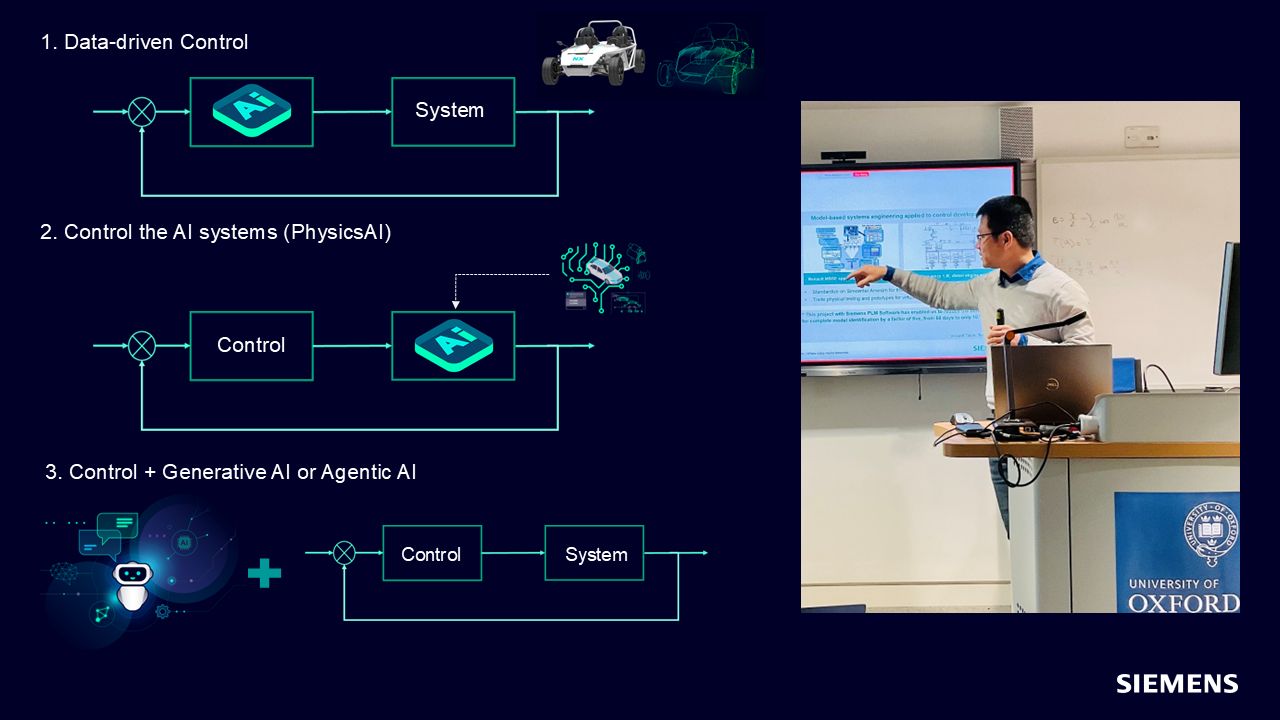
Last week, I had the pleasure visiting the Oxford Control Group to give a seminar and exchange ideas with faculty members and students. It was also great to meet the PhD student Rory Halsall, whom we jointly supervise within the collaboration between UK Research and Innovation and Siemens :).
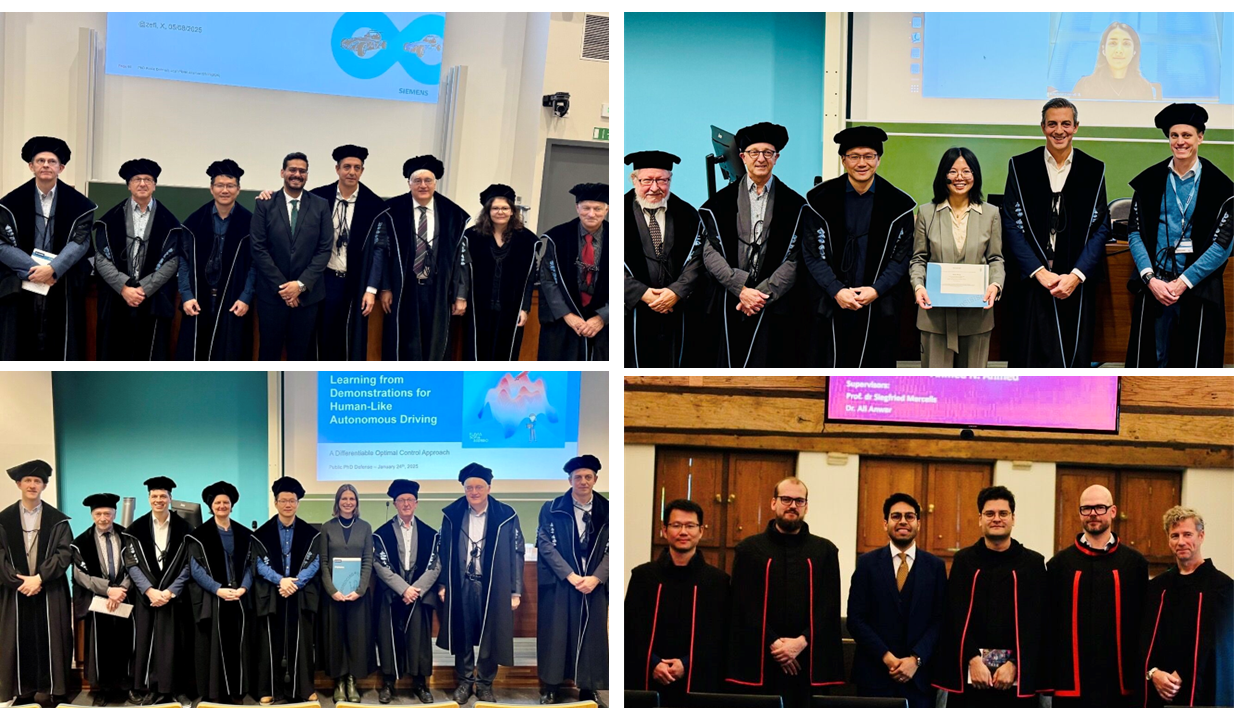
In recent months, I’ve had the great honor of serving on PhD Defense Juries of four PhDs: