MPC
![[Paper] Is this the real driver, or is it just a robot?](/blog/2026/05/is-this-the-real-driver-or-just-a-robot/cover.jpg)
A study of human-like autonomous driving controllers in a driving simulator just got published in Transportation Research Part F: Traffic Psychology and Behavior. The article is written by Flavia Sofia Acerbo, the industrial PhD at Siemens and KU Leuven
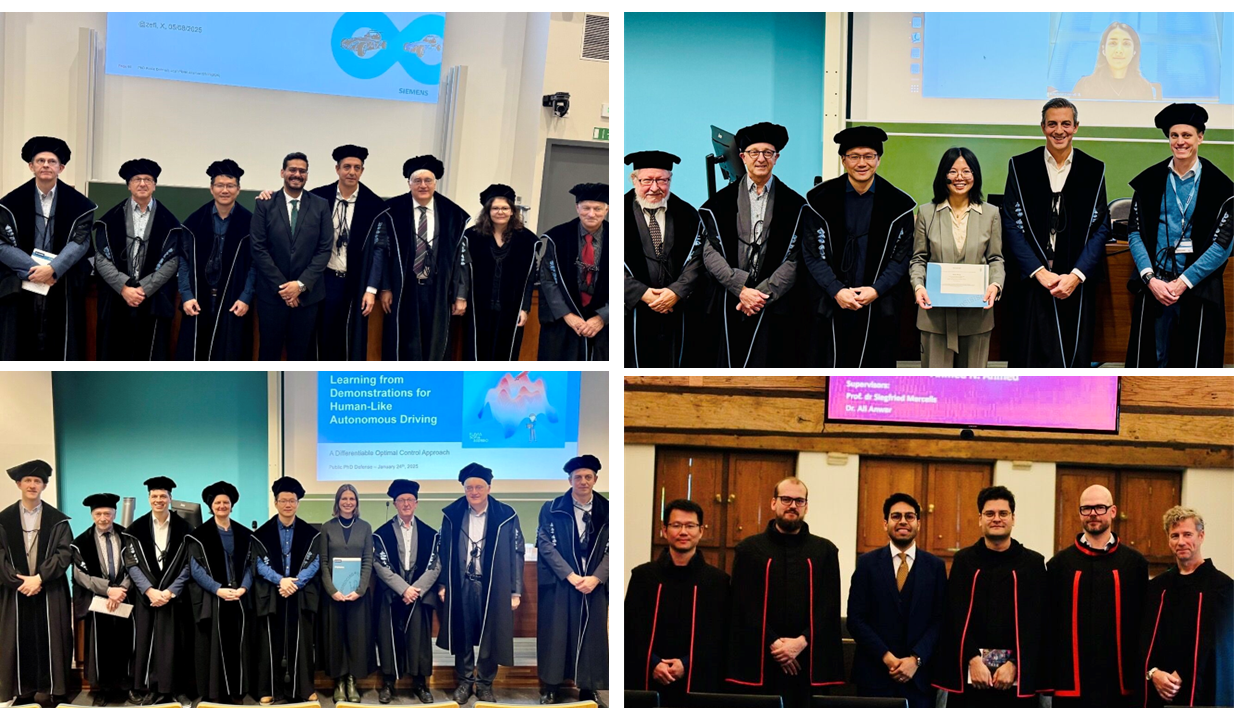
In recent months, I’ve had the great honor of serving on PhD Defense Juries of four PhDs:
![[Demo] Explainable MPC Control](/blog/2025/05/explainable-mpc-control/cover.png)
One often overlooked topic in control systems engineering is explainability. Control engineers are typically trained, through university or research, to design systems from the ground up, starting with physics-based modeling, model identification, stability analysis, control design, and then iterating with performance evaluation. This process provides engineers insight into the system, enabling intuitive for parameter calibration.
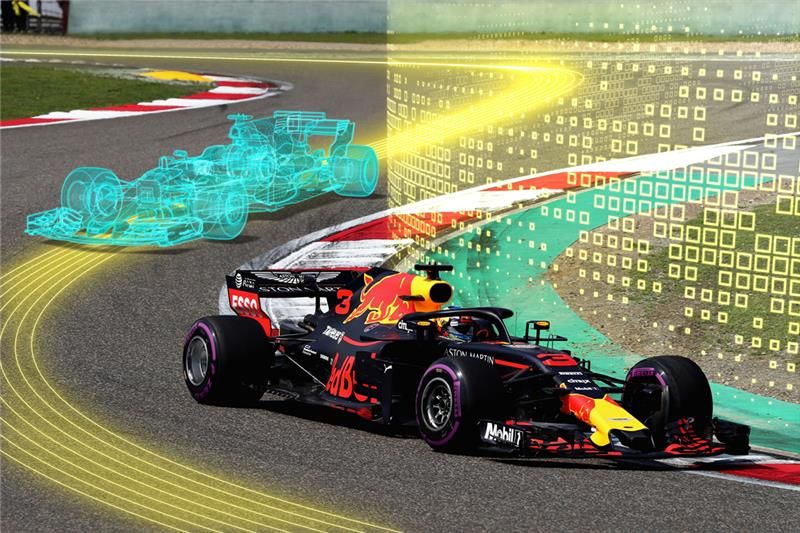
Autocalibration control technologies can drastically reduce time and cost for engineers when moving from simulation to real-world testing. The method is for wide range of applications, not only autonomous driving.
![[Paper] 8th IFAC NMPC2024 Award]](/blog/2024/09/paper-8th-ifac-nmpc2024-award/cover.jpg)
From my industrial PhD Jean-Pierre: Proud and honored to have won the Young Author Award at the 8th International Federation of Automatic Control Nonlinear Model Predictive (IFAC NMPC2024) conference, held in the prestigious city of Kyoto, Japan.
![[Paper] Real-time Safety-critical NMPC with Control Barrier Function (CBF)](/blog/2024/03/real-time-safety-critical-nmpc-cbf/cover.png)
4-5 years ago we developed an intuition to deal with this challenge, learning from control barrier function (CBF) from legged robotics community.
![[Demo] Real-time MPC on a Munich street](/blog/2023/08/real-time-mpc-munich-street/cover.png)
See following demo from Siemens research engineer Jean Pierre Allamaa, done within the EU ELO-X Marie Curie project and in collaboration with Prof. Toshiyuki Ohtsuka (Kyoto Univ.) during a secondment program.
![[Papers] IFAC World Congress 2023](/blog/2023/07/ifac-world-congress-2023/cover.png)
1. Reinforcement Learning from Simulation to Real World; 2. MPC-Based Imitation Learning for Human-Like Autonomous Driving; 3. Critical Driving Behaviours Using Driver's Risk Field
![[Papers] IFAC World Congress](/blog/2023/03/ifac-world-congress-papers/cover.png)
It is a nice way to start the weekend after a busy week: Our ADAS R&D team just received notifications that 3 papers got accepted to IFAC World Congress - (probably the biggest event of the Control system society this year). A nice achievement of the team members.
![[Paper] MPC-based Imitation Learning for Human-like Autonomous Driving](/blog/2022/11/mpc-based-imitation-learning-human-like-autonomous-driving/cover.jpg)
This paper draft is a nice piece of writing with quite some works, discussions, demonstrations, and evaluations on different learning methods.
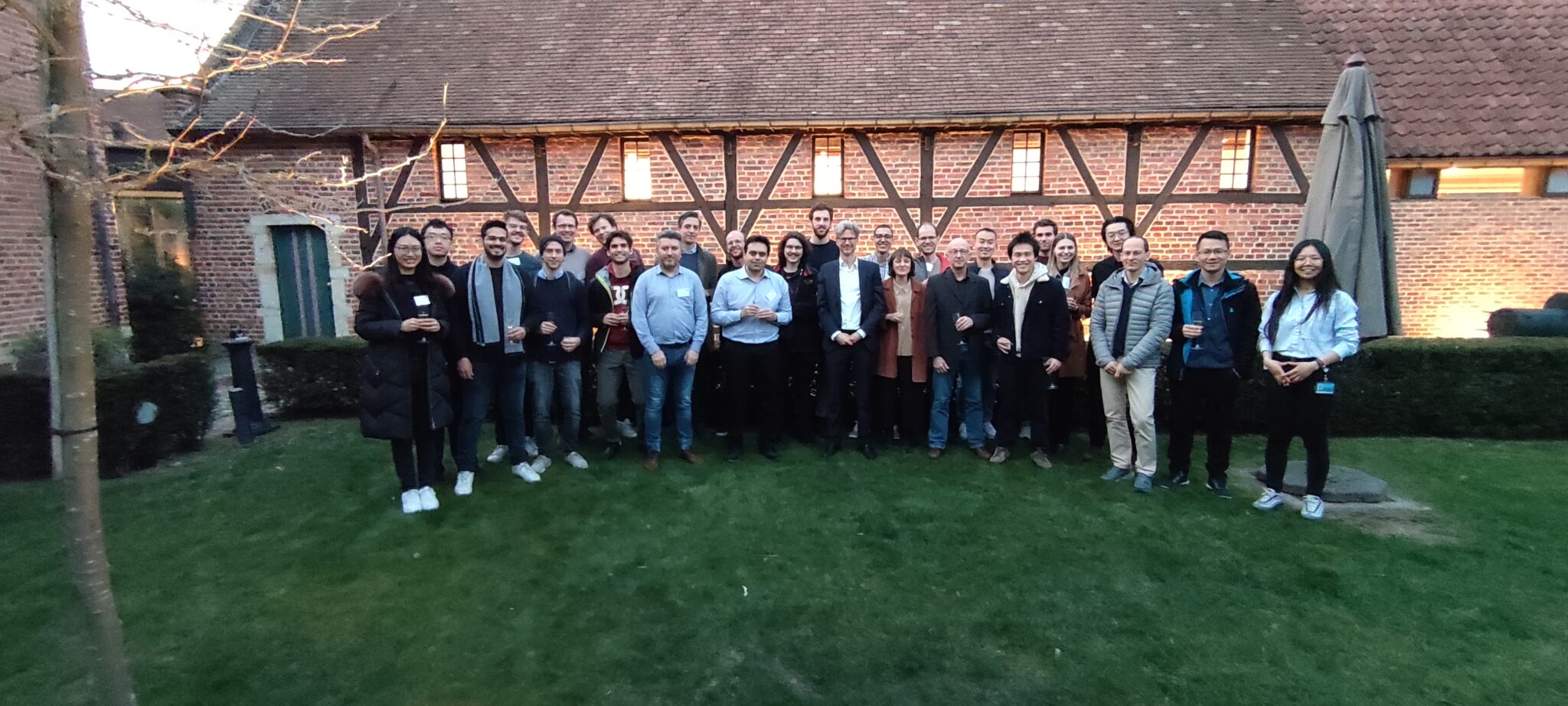
This week we just organized a workshop in Leuven office for the Marie Curie ITN ELO-X supervisors and ESR fellows.
![[Paper] Real-time Nonlinear MPC Strategy with Full Vehicle Validation for Autonomous Driving](/blog/2021/10/nmpc-paper/cover.png)
We present the development and deployment of an embedded optimal control strategy for autonomous driving applications on a Ford Focus road vehicle.Non-linear model predictive control (NMPC) is designed and deployed on a system with hard real-time constraints. We show the properties of sequential quadratic programming (SQP) optimization solvers that are suitable for driving tasks
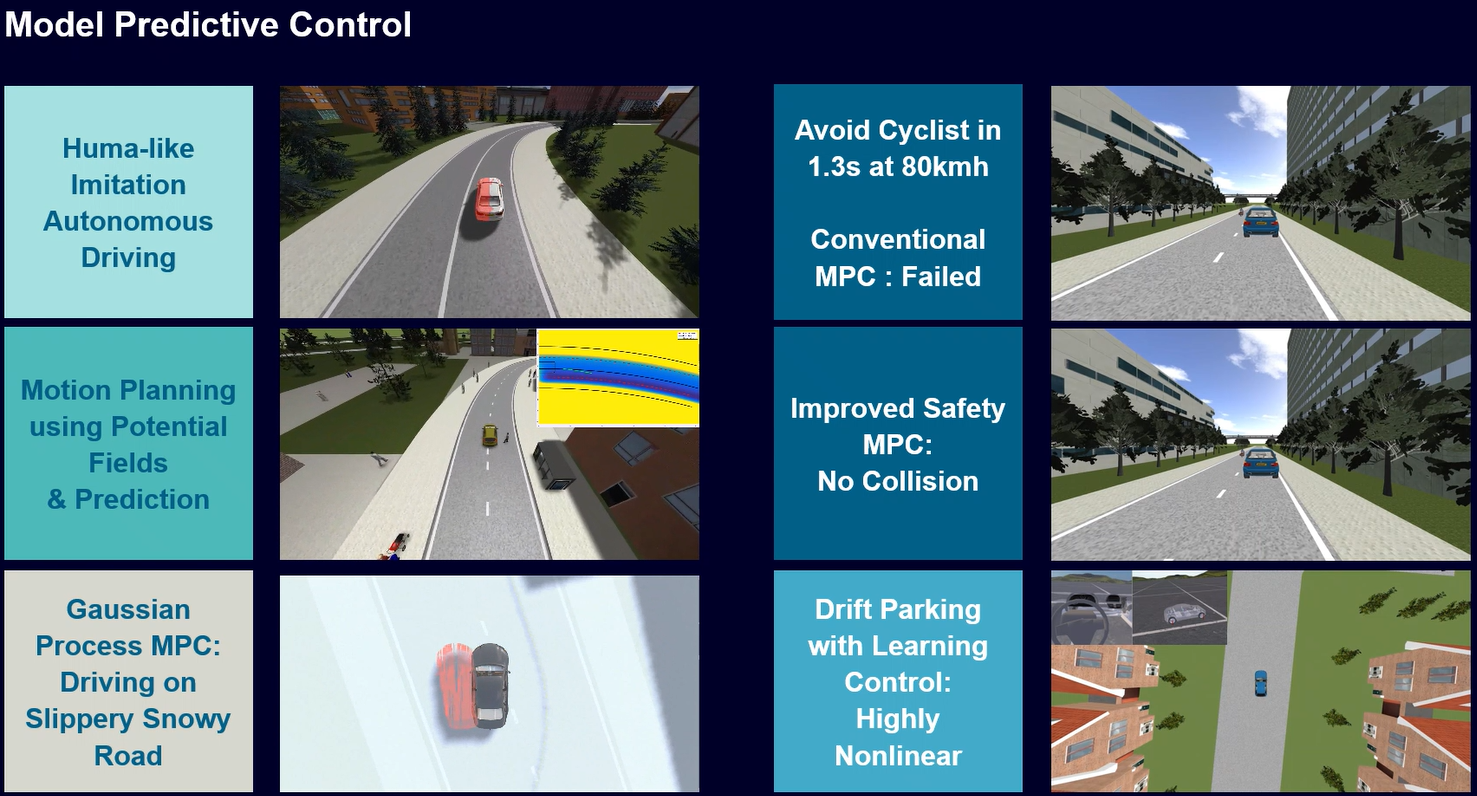
The key is to optimize control actions over a prediction horizon, which is often short due to computation.
![[Demo] Designing ADAS algorithms to Enhance Safety and Comfort](/blog/2021/01/designing-adas-algorithms-enhance-safety-comfort/cover.png)
Next challenge is having an efficient framework from simulation to physical testing to validate your designs. This demo shows an example of our team works on MPC control development.
![[Demo] Vehicle Dynamics is Essential in Driving Performance.](/blog/2020/10/vehicle-dynamics-is-essential/cover.png)
Vehicle dynamics is essential for autonomous driving, in both safety and comfort performance. We show how to build a high fidelity vehicle model via simulation and proving ground testing, then exploit it for a safety-critical autonomous double lane change optimal control (MPC) development. This is a great video, with interesting (autonomous) driving scenes. Hope you will enjoy!
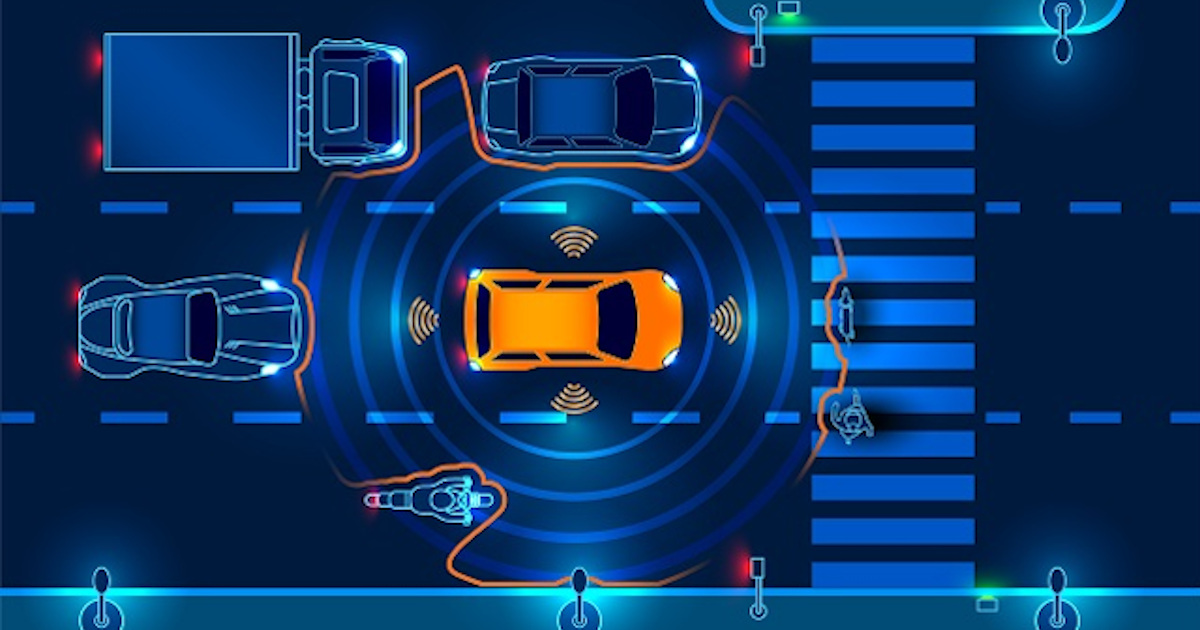
Several interesting advanced control technologies will be discussed there: MPC, combined model-based and AI or data learning from both human data or model learning, reinforcement learning, drift parking control, truck crossing roundabout with a failed steering, handling in snowy weather, virtual sensing, verification of NN, and also XiL testing
![[Papers] IEEE CDC 2019, IEEE CCTA2020, IEEE ACC 2020, IFAC World Congress 2020](/blog/2020/05/ieee-ifac-control-papers/cover.jpg)
With the CCTA accepted paper, we are happy to be involved and show our innovative solutions in the recent four largest events of IFAC and IEEE Control System Society.
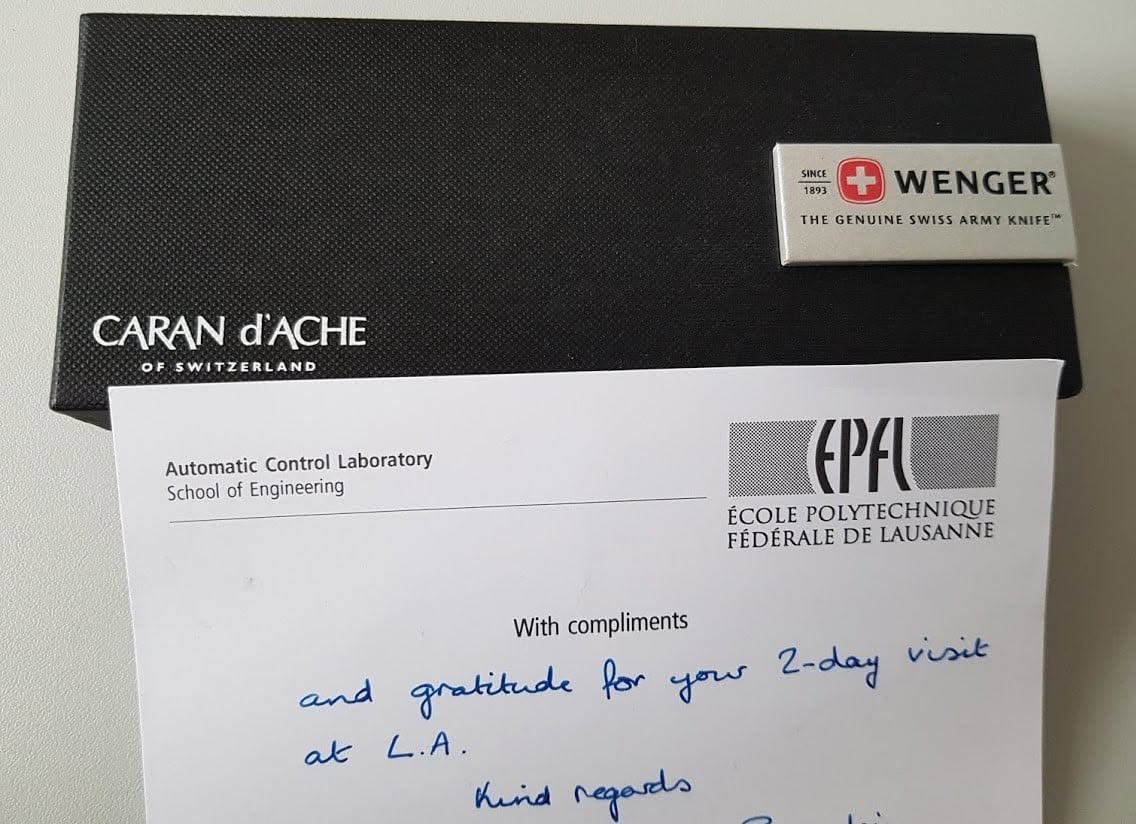
A great pleasure to visit Automatic Control Laboratory (LA) and Prof. Colin Jones