Safety
![[Paper] Is this the real driver, or is it just a robot?](/blog/2026/05/is-this-the-real-driver-or-just-a-robot/cover.jpg)
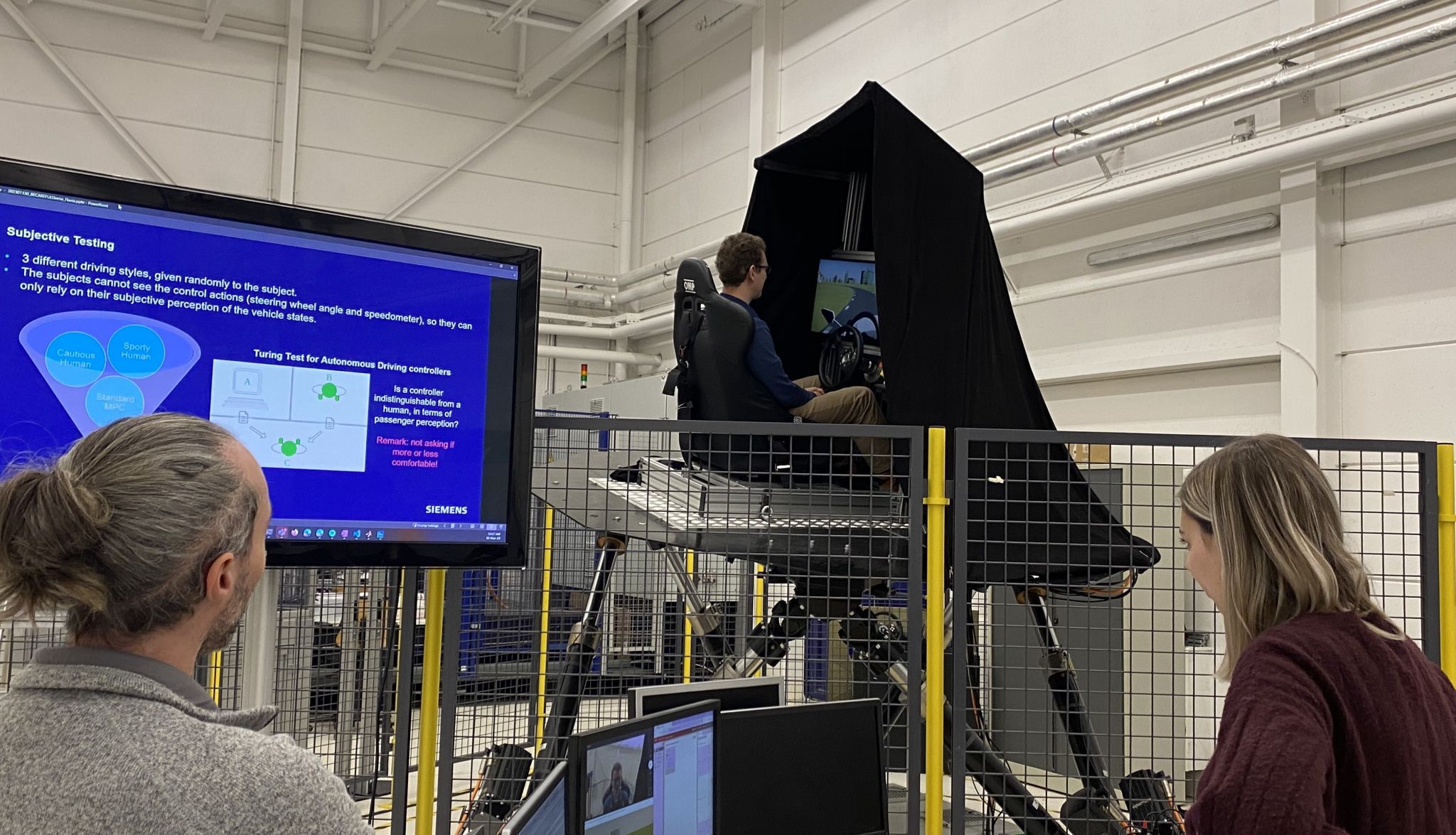
A study of human-like autonomous driving controllers in a driving simulator just got published in Transportation Research Part F: Traffic Psychology and Behavior. The article is written by Flavia Sofia Acerbo, the industrial PhD at Siemens and KU Leuven
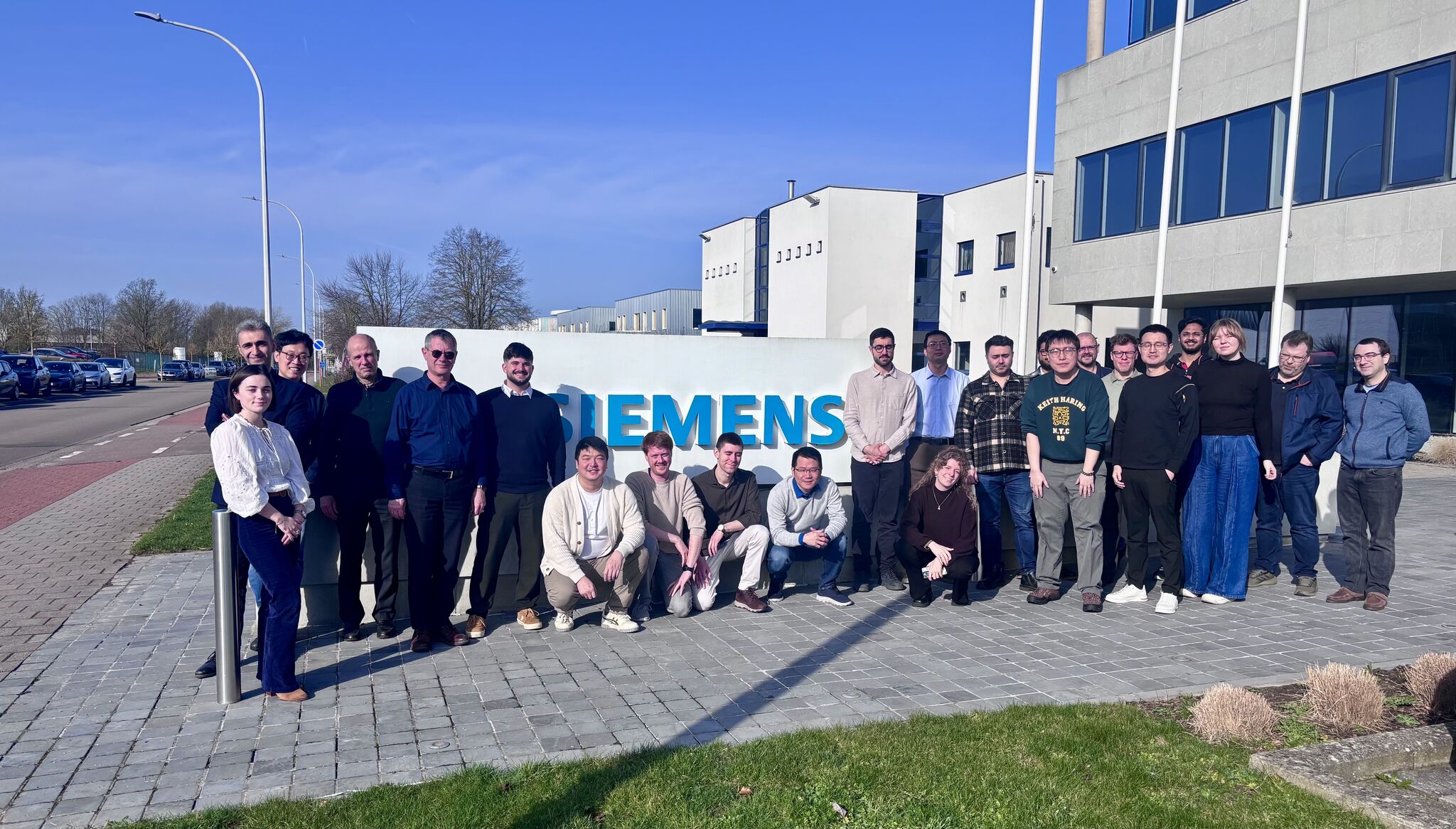
It is great to welcome partners and colleagues from the EU RobustifAI project (Robustifying Generative AI through Human-centric integration of Neural and Symbolic methods) to Siemens office for technical updates, discussions, and AI knowledge exchange.
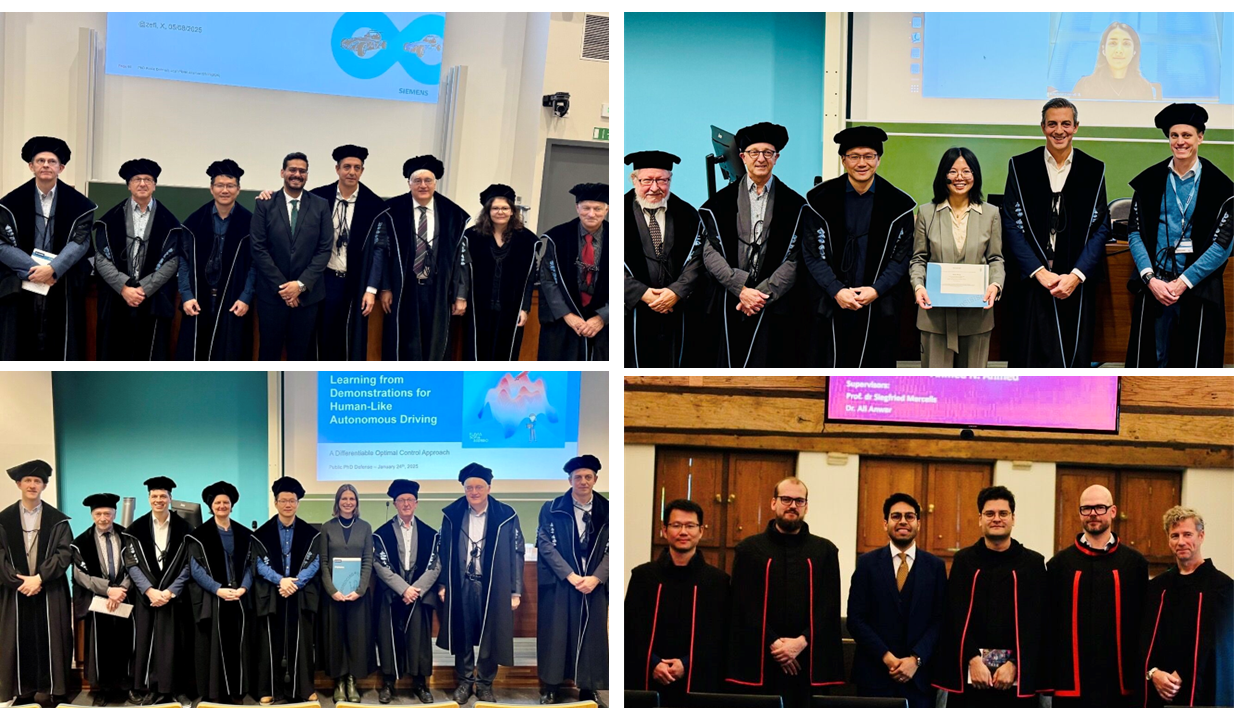
In recent months, I’ve had the great honor of serving on PhD Defense Juries of four PhDs:
![[Demo] From Crash Data to Simulation Model](/blog/2025/09/from-crash-data-to-simulation/cover.png)
Connecting real crash data with standards (Euro NCAP, UNECE, ISO…) and ASAM OpenSCENARIO model

Launched in June 2025 with a total budget of 9.3M€. The project aims to develop a rigorous design and deployment methodology tailored for reliable, robust and trustworthy Generative AI.
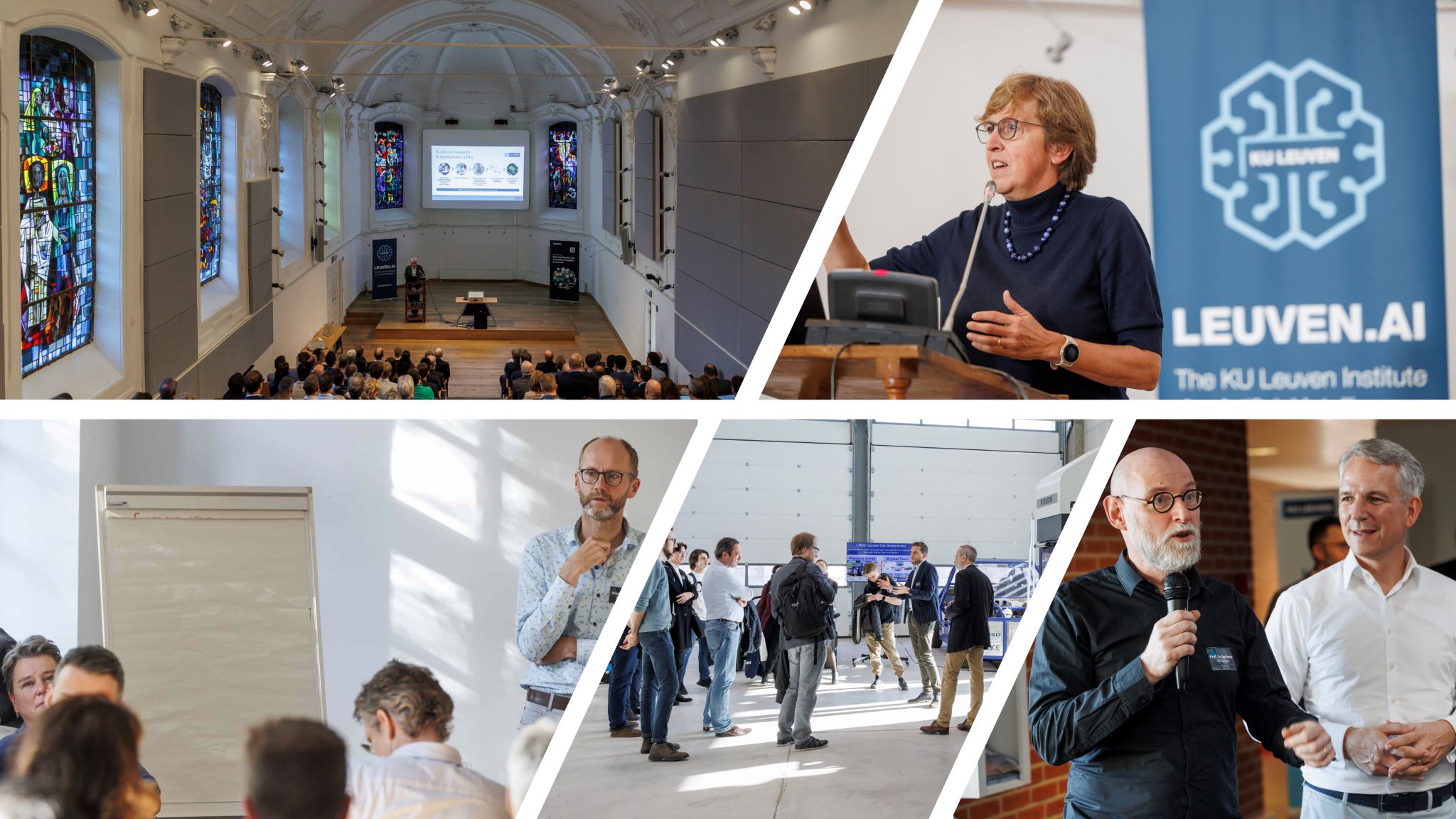
In the coming days, I will be participating the two EU forums related to AI, robotics and autonomous driving.
![[Papers] Human-centric AI in IEEE IROS and InCabin conferences](/blog/2024/10/human-centric-ai-iros-incabin-2024/cover.jpg)
A great pleasure to have our two research engineers going to present the company Siemens Digital Industries Software R&D activities on human-centric AI in IEEE IROS and InCabin conferences this month.
![[Paper] 8th IFAC NMPC2024 Award]](/blog/2024/09/paper-8th-ifac-nmpc2024-award/cover.jpg)
From my industrial PhD Jean-Pierre: Proud and honored to have won the Young Author Award at the 8th International Federation of Automatic Control Nonlinear Model Predictive (IFAC NMPC2024) conference, held in the prestigious city of Kyoto, Japan.
![[Paper] Data-driven Control for Human Driving Preferences](/blog/2024/04/data-driven-control-human-driving-preferences/cover.png)
Getting more insights of human driving preferences (i.e. when and how to brake, steering at different traffic scenarios), perceived safety, different cultures and styles,... are essential to improve ADAS control development
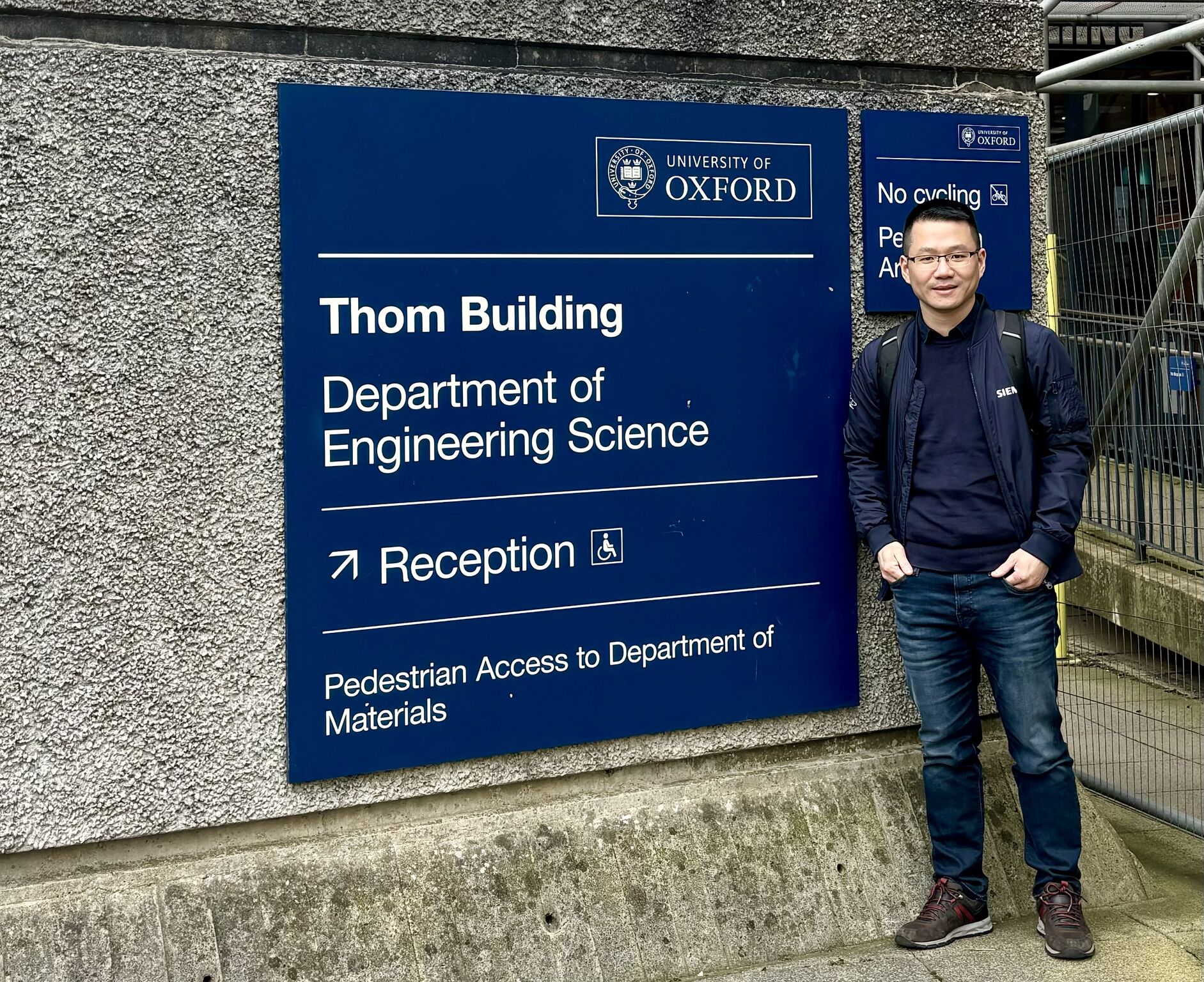
Last week, I had the pleasure of visiting Oxford Control Group and deliver a seminar there. It was an excellent opportunity to meet and discuss with great researchers in control systems, data-driven, and safety-based optimization fields. I was also delighted to hear that our works have inspired some PhDs there on their research :) .
![[Paper] Real-time Safety-critical NMPC with Control Barrier Function (CBF)](/blog/2024/03/real-time-safety-critical-nmpc-cbf/cover.png)
4-5 years ago we developed an intuition to deal with this challenge, learning from control barrier function (CBF) from legged robotics community.
The goal of this project is to enhance safety and comfort in autonomous driving. Altogether we are developing and advancing different ADAS technologies, i.e. data collection, processing, scenario extraction-generation, algorithms (AI, control), XiL testing (X = model, hardware, human), and validation using several autonomous vehicle platforms.
While keep pushing the boundary of AI technologies in safety-critical applications like autonomous vehicles and medical applications, at Siemens we have been jointly develop with FOCETA partners technologies like requirements formulation, critical scenario generation, safety monitoring, explainable AI, adversarial examples....
![[Demo] ADAS Comfort](/blog/2023/08/demo-adas-comfort/cover.png)
SADAS performance is often evaluated based on safety, and from the outsider's perspective, i.e. check if there is a collision. What is not commonly known is that perceived safety and comfort are similarly important in ADAS development. See below a short interesting demo from insider or passenger's view on lane change maneuvers. "
![[Papers] IFAC World Congress 2023](/blog/2023/07/ifac-world-congress-2023/cover.png)
1. Reinforcement Learning from Simulation to Real World; 2. MPC-Based Imitation Learning for Human-Like Autonomous Driving; 3. Critical Driving Behaviours Using Driver's Risk Field
![[Paper] MPC-based Imitation Learning for Human-like Autonomous Driving](/blog/2022/11/mpc-based-imitation-learning-human-like-autonomous-driving/cover.jpg)
This paper draft is a nice piece of writing with quite some works, discussions, demonstrations, and evaluations on different learning methods.

We are working together with other EU partners to develop continuous engineering of trustworthy autonomy and implement on industrial autonomous system use cases. In this project newsletter, you can discover more our recent findings and activities. In addition, I also gave an interview (page 7) on my role in the project and more general views on not only technical challenges but also collaborations between industry-academic
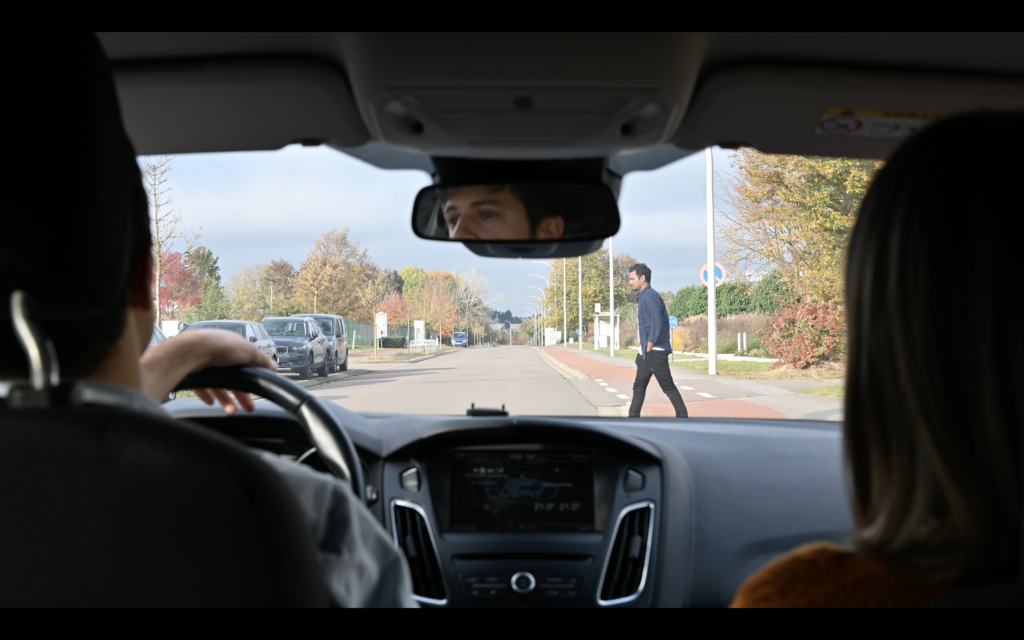
An interesting interview on the topic of ADAS comfort, made by Siemens Simcenter Engineering with our ADAS research engineer, Flavia.
![[Paper] Real-time Nonlinear MPC Strategy with Full Vehicle Validation for Autonomous Driving](/blog/2021/10/nmpc-paper/cover.png)
We present the development and deployment of an embedded optimal control strategy for autonomous driving applications on a Ford Focus road vehicle.Non-linear model predictive control (NMPC) is designed and deployed on a system with hard real-time constraints. We show the properties of sequential quadratic programming (SQP) optimization solvers that are suitable for driving tasks
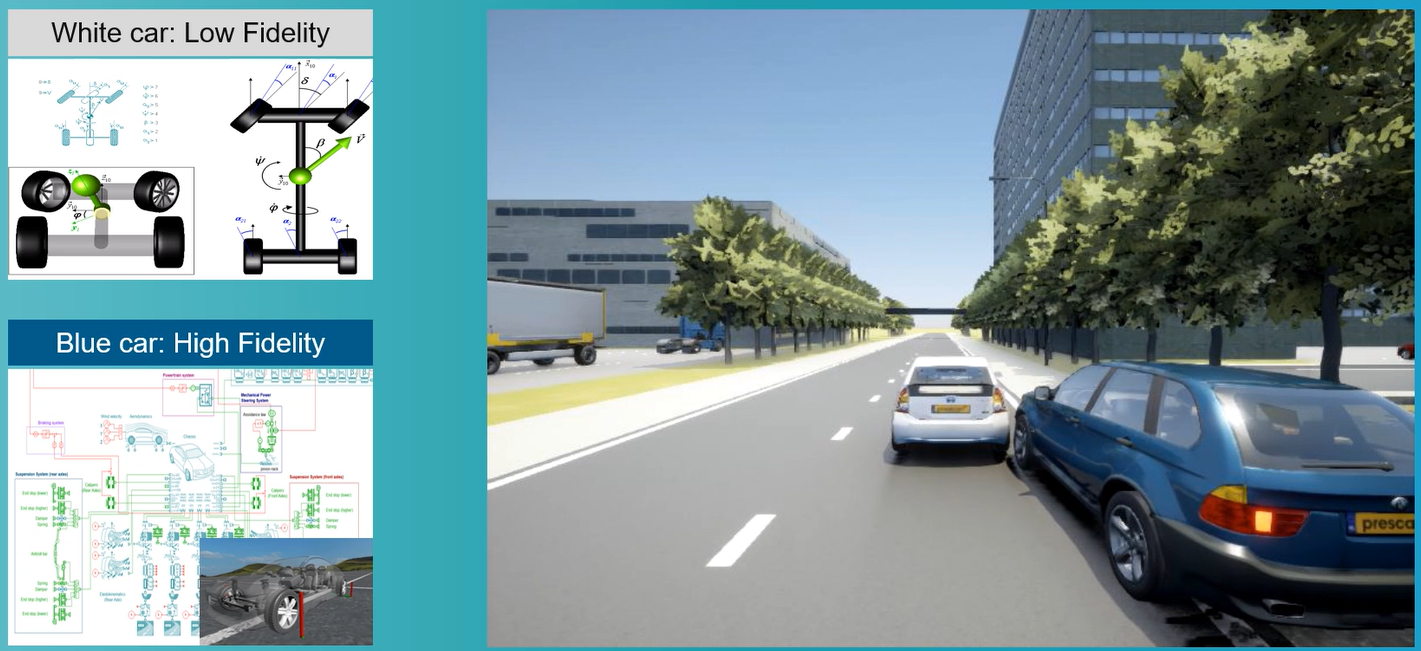
We show a demo comparison for an autonomous lane change scenario, where the same vehicle control system was applied to two vehicle dynamics models
![[Paper] IEEE IV 2021, IEEE ITSC 2021, JSAE 2021](/blog/2021/07/paper-2021-iv-itsc-jsae/cover.png)
In the last few months, we have made some more progress to tackle some autonomous driving challenges in industry.
![[Demo] Testing on Real Vehicle](/blog/2021/05/testing-on-real-vehicle/cover.png)
Testing and validation are big challenges in the autonomous vehicles driving industry. Your ADAS engineers keep developing new perception or control algorithms, but what is an efficient process starting from there to vehicle deployment?
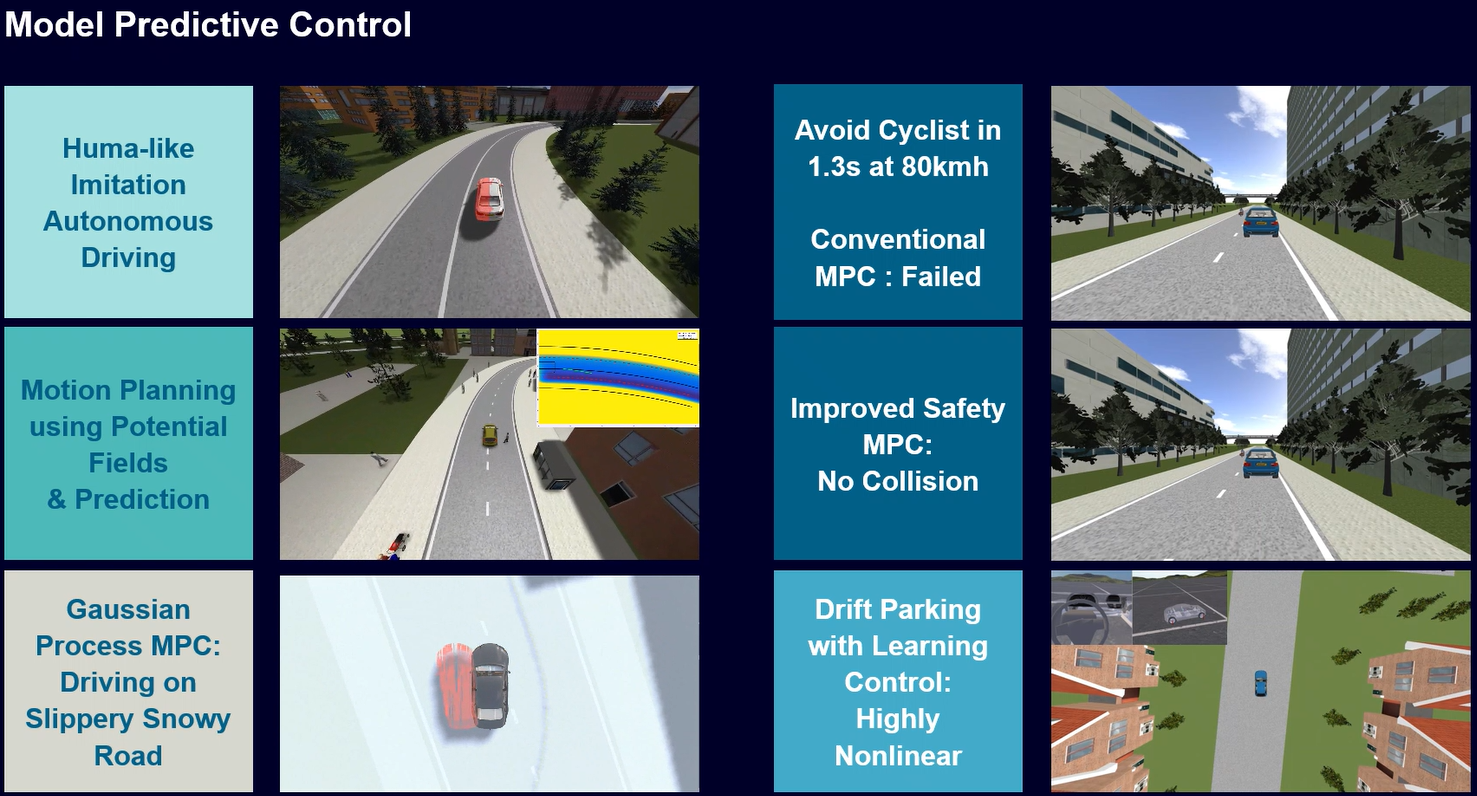
The key is to optimize control actions over a prediction horizon, which is often short due to computation.
People actually wants more from autonomous car, be cautious but also aggressive when necessary, be able and flexible moving along the tradeoff curves until physical limitation.
![[Demo] Designing ADAS algorithms to Enhance Safety and Comfort](/blog/2021/01/designing-adas-algorithms-enhance-safety-comfort/cover.png)
Next challenge is having an efficient framework from simulation to physical testing to validate your designs. This demo shows an example of our team works on MPC control development.
![[Demo] Vehicle Dynamics is Essential in Driving Performance.](/blog/2020/10/vehicle-dynamics-is-essential/cover.png)
Vehicle dynamics is essential for autonomous driving, in both safety and comfort performance. We show how to build a high fidelity vehicle model via simulation and proving ground testing, then exploit it for a safety-critical autonomous double lane change optimal control (MPC) development. This is a great video, with interesting (autonomous) driving scenes. Hope you will enjoy!
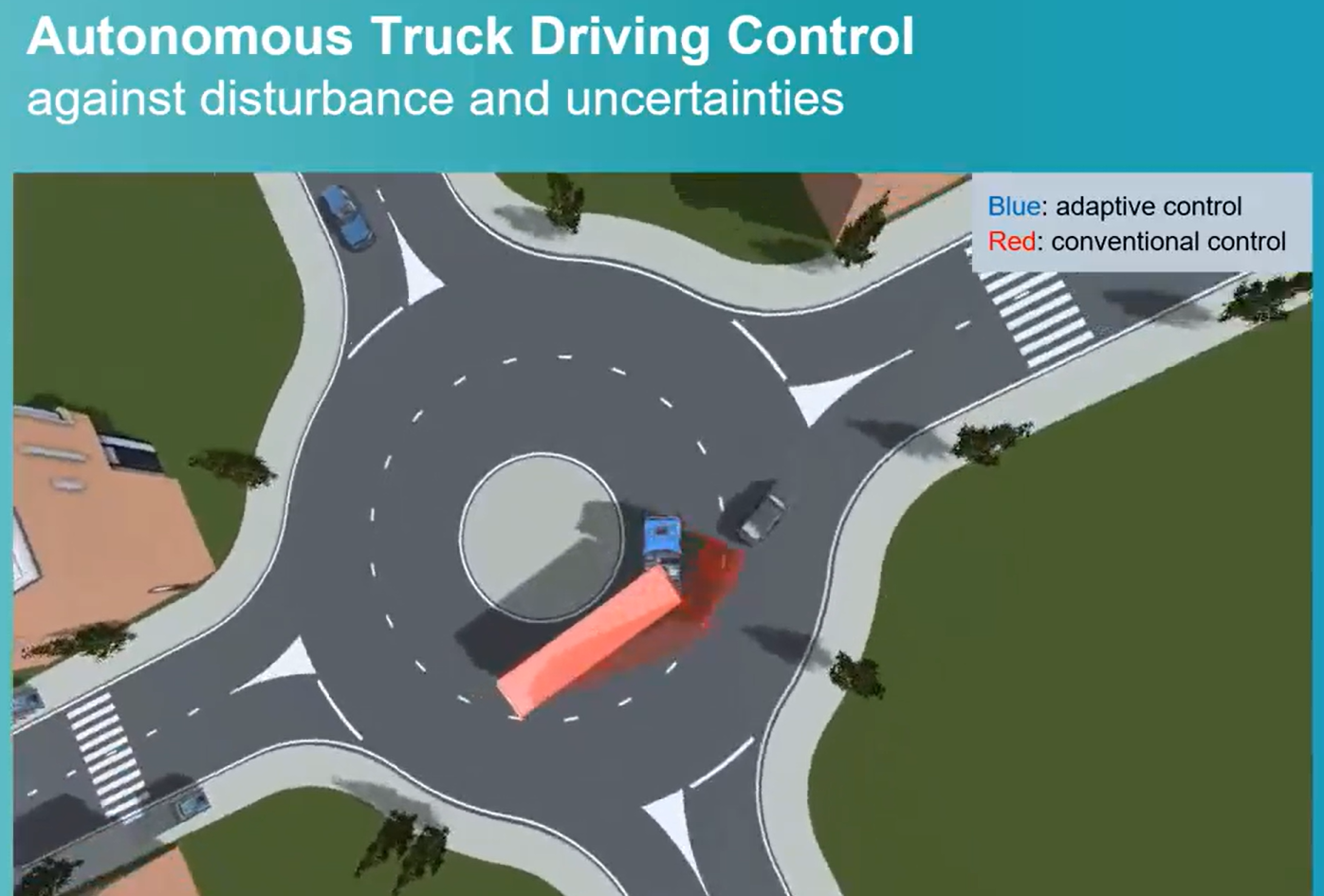
Several interesting advanced control technologies will be discussed there: MPC, combined model-based and AI or data learning from both human data or model learning, reinforcement learning, drift parking control, truck crossing roundabout with a failed steering, handling in snowy weather, virtual sensing, verification of NN, and also XiL testing
![[Papers] IEEE CDC 2019, IEEE CCTA2020, IEEE ACC 2020, IFAC World Congress 2020](/blog/2020/05/ieee-ifac-control-papers/cover.jpg)
With the CCTA accepted paper, we are happy to be involved and show our innovative solutions in the recent four largest events of IFAC and IEEE Control System Society.
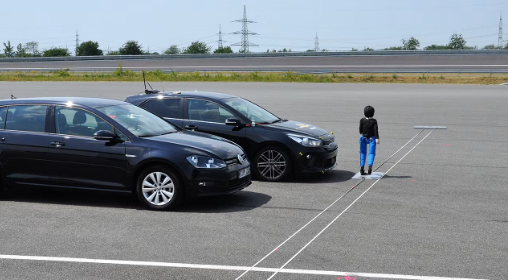
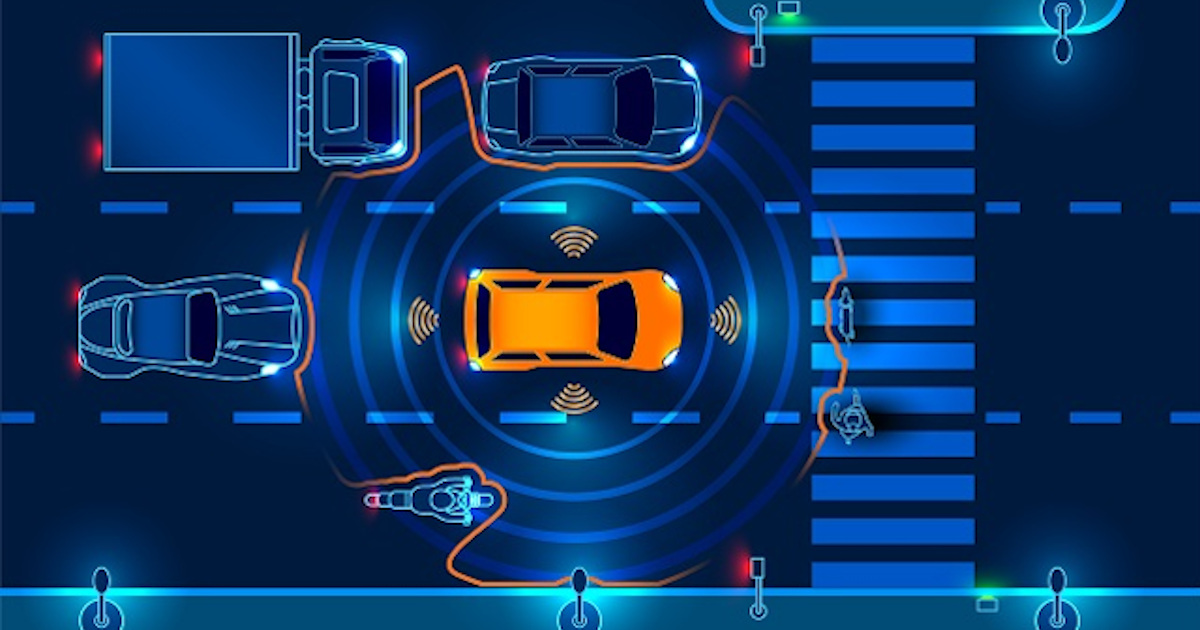
A nice work and interesting whitepaper from Siemens DI colleagues on autonomous driving scenarios testing, verification and validation. These topics are critical for your autonomous vehicle development