All Posts
Page 5
![[Demo] Real2Sim Waymo Dataset](/blog/2023/11/real2sim-waymo-dataset/cover.png)
Bring real collected data into simulation (Real2Sim) is essential activity in ADAS testing, allow engineers to test different sensor, vehicle dynamics models, as well as various what-if traffic scenarios.

This semester we have a pleasure to welcome two Master thesis students working full time with our ADAS team in Siemens Digital Industries, Leuven office: Jasper van Leuven (TUDelft, Netherlands) and Sven Becker (EPFL, Switzerland).
This picture shows a Digital Twin vehicle together with the real Red Bull F1 vehicle (that Siemens partnering with), that has been inspiring us on developing Digital Twin for ADAS, autonomous driving.
![[Demo] Active & Lively Logged ADAS dataset](/blog/2023/10/active-lively-logged-adas-dataset/cover.png)
ADAS or autonomous driving dataset is captured from vehicle sensors, and often used for perception algorithms or motion prediction. However, logged data is often passive, static, and open-loop. It is not able to actively adapt or evolve, for example with respect to the new sensor types. As the data is with human driver providing vehicle actions, closed-loop control testing is not possible.

Today marks my 7-year PhD graduation from KU Leuven as well as the time working at Siemens Digital Industries Software. My experiences and ambitions of innovation keep rolling :).
Following the exciting Formula Student event last month, FSG and Siemens is organizing a workshop where we will show some tools, applications and algorithms around Digital Twin that can help you to develop autonomous driving functions more efficient. Check the below infor for more information.
![[Demo] Real-time MPC on a Munich street](/blog/2023/08/real-time-mpc-munich-street/cover.png)
See following demo from Siemens research engineer Jean Pierre Allamaa, done within the EU ELO-X Marie Curie project and in collaboration with Prof. Toshiyuki Ohtsuka (Kyoto Univ.) during a secondment program.
![[Demo] ADAS Comfort](/blog/2023/08/demo-adas-comfort/cover.png)
SADAS performance is often evaluated based on safety, and from the outsider's perspective, i.e. check if there is a collision. What is not commonly known is that perceived safety and comfort are similarly important in ADAS development. See below a short interesting demo from insider or passenger's view on lane change maneuvers. "
![[Papers] IFAC World Congress 2023](/blog/2023/07/ifac-world-congress-2023/cover.png)
1. Reinforcement Learning from Simulation to Real World; 2. MPC-Based Imitation Learning for Human-Like Autonomous Driving; 3. Critical Driving Behaviours Using Driver's Risk Field
![[Papers] European Control Conference (ECC) 2023](/blog/2023/06/european-control-conference-ecc-2023/cover.png)
Data-driven control: advanced optimal control, imitation learning, driver behavior models, reinforcement learning
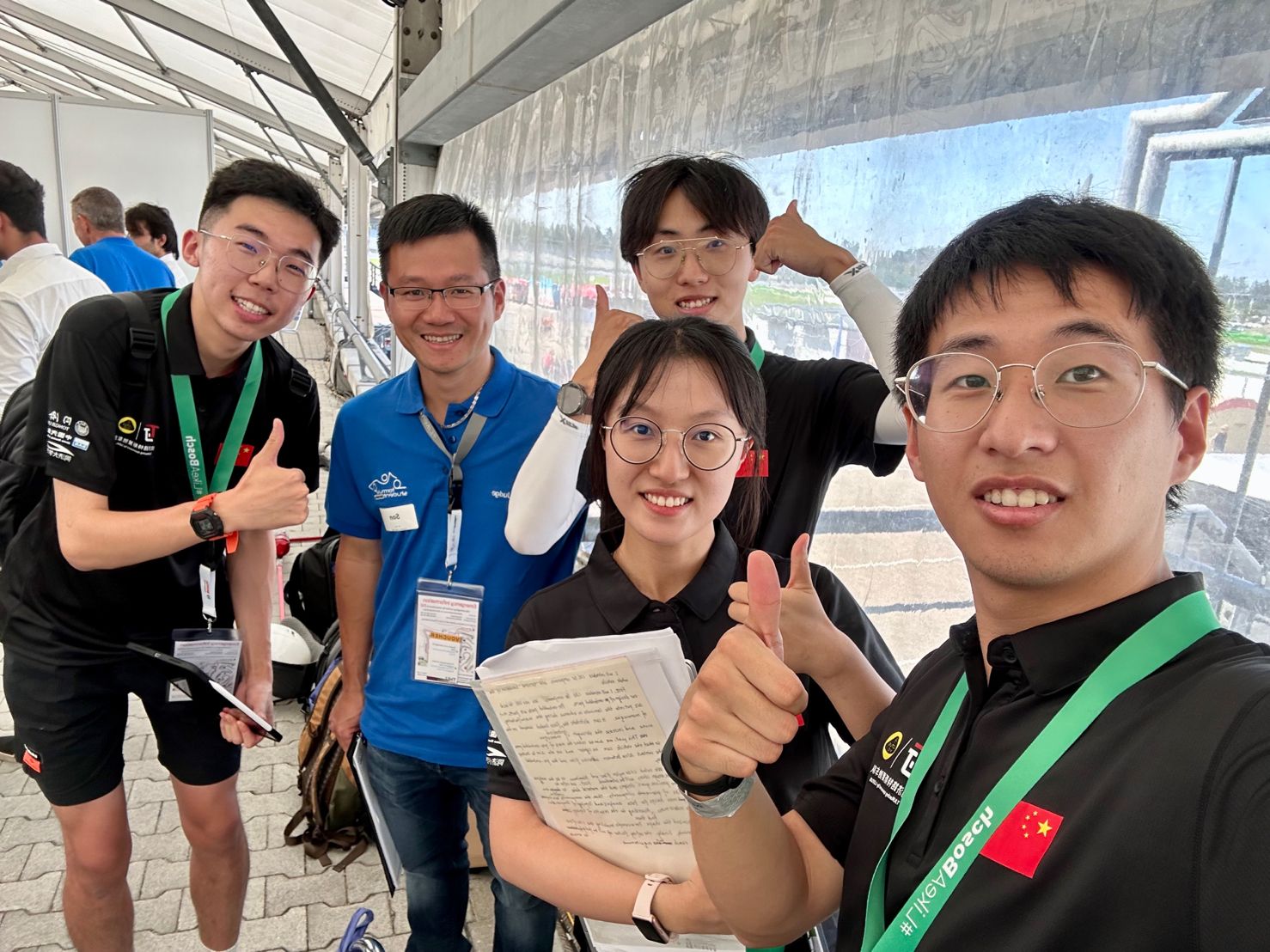
A great pleasure to act as a judge for the interesting Formula Student Germany event this week, in the driverless category. Seeing many talented, motivated students working and speaking on similar technologies to what we are doing in ADAS industry ;).
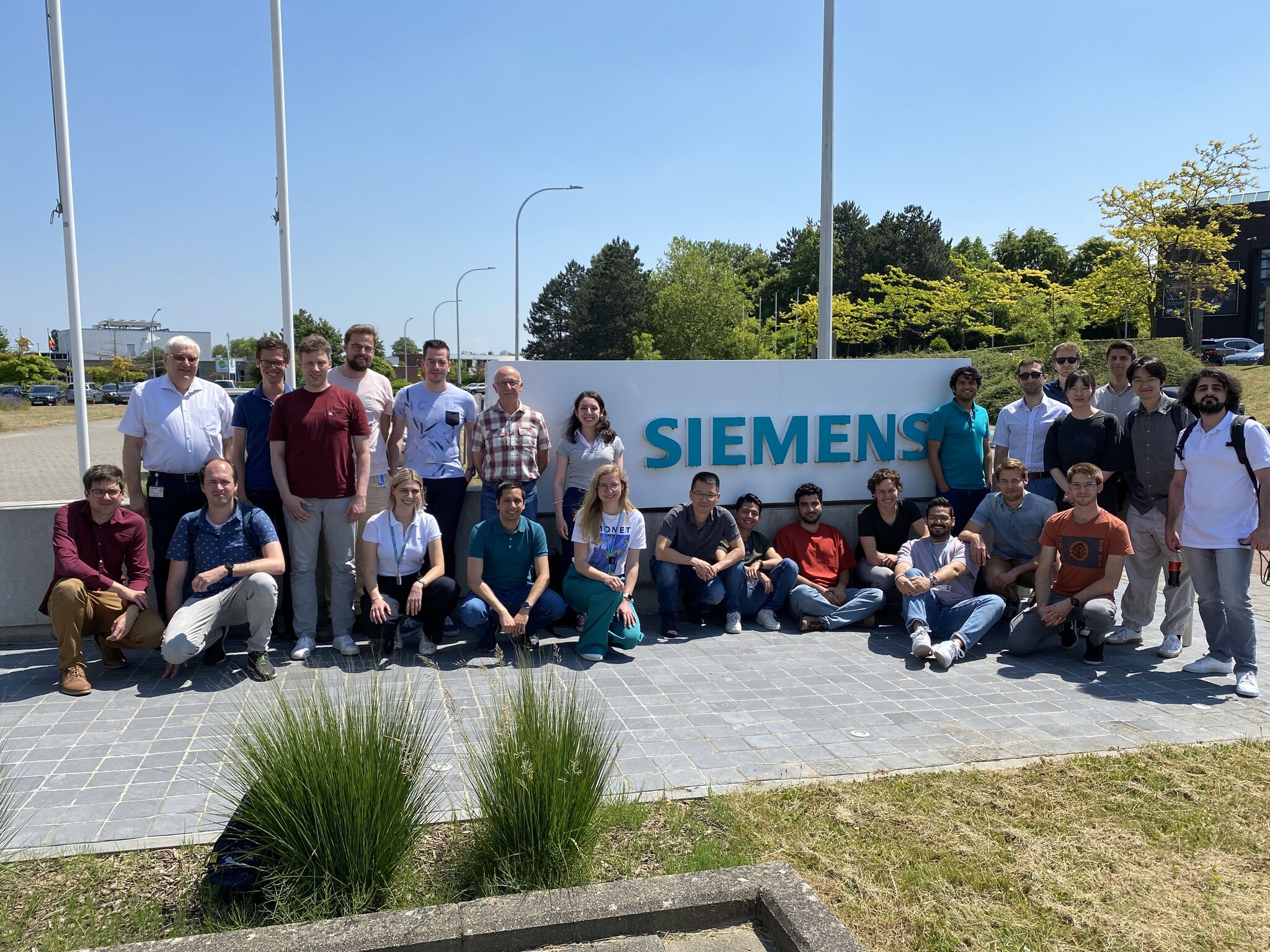
It was exciting to welcome the MECO group from KU Leuven last Friday at Siemens Digital Industries Software in Leuven.