All Posts
Page 6
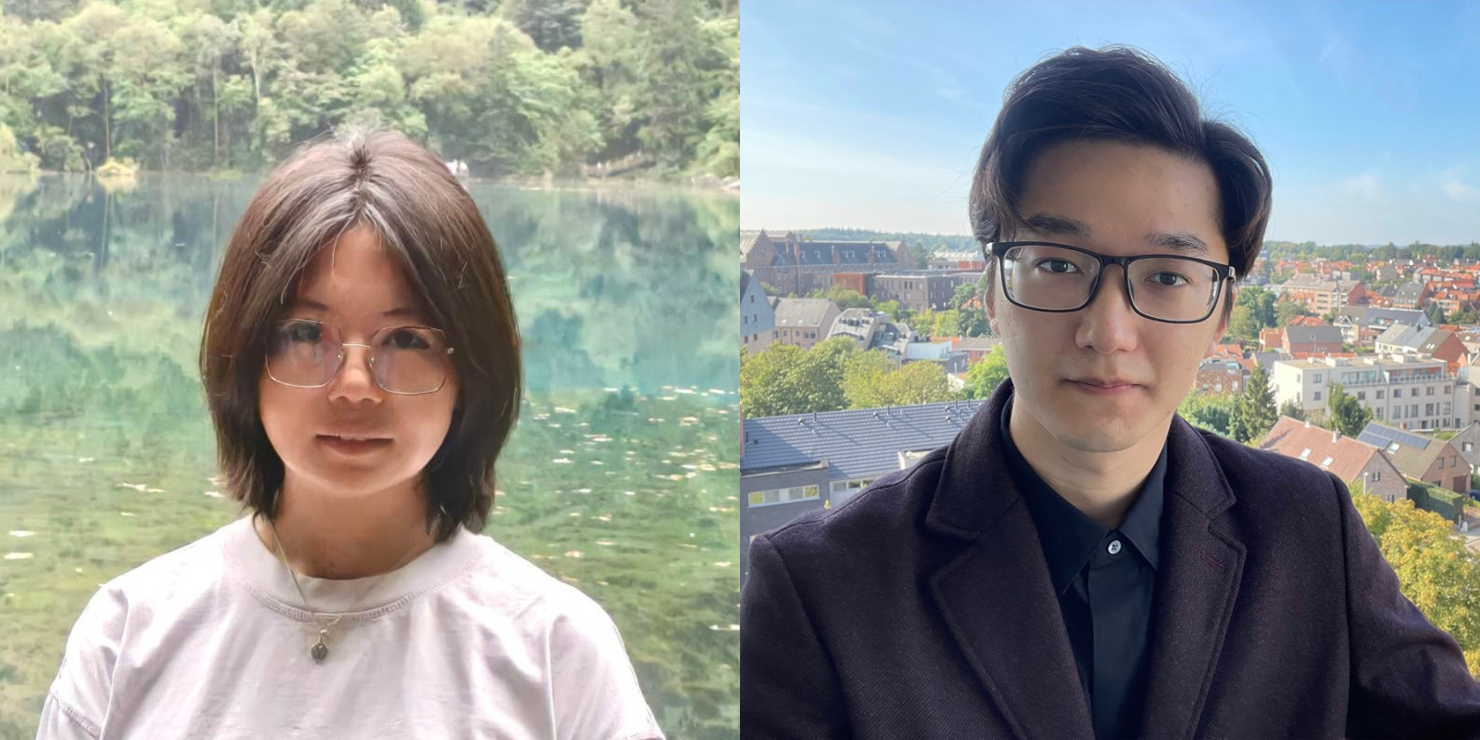
This period we have had a pleasure to welcome two visiting PhDs: Shuhao Zhang and Renzi Wang from KULeuven, who are visiting our ADAS team at Siemens Digital Industries Software office in Leuven for 3-4 months. Both is working on ADAS challenges related to learning perception and motion planning under uncertainty conditions, with driving data from Siemens.
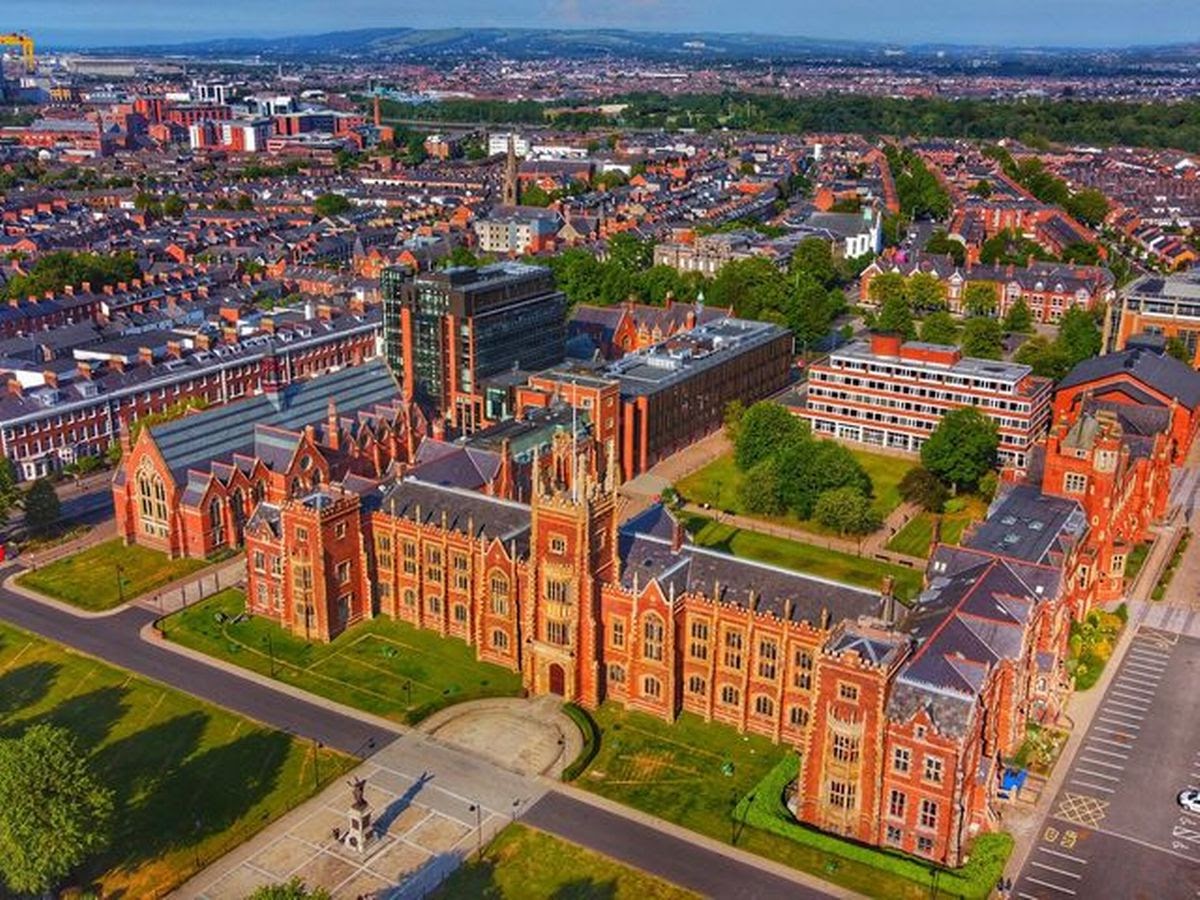
Glad to see quite some Digital Twin research activities from UK robotics and control peers in the workshop.
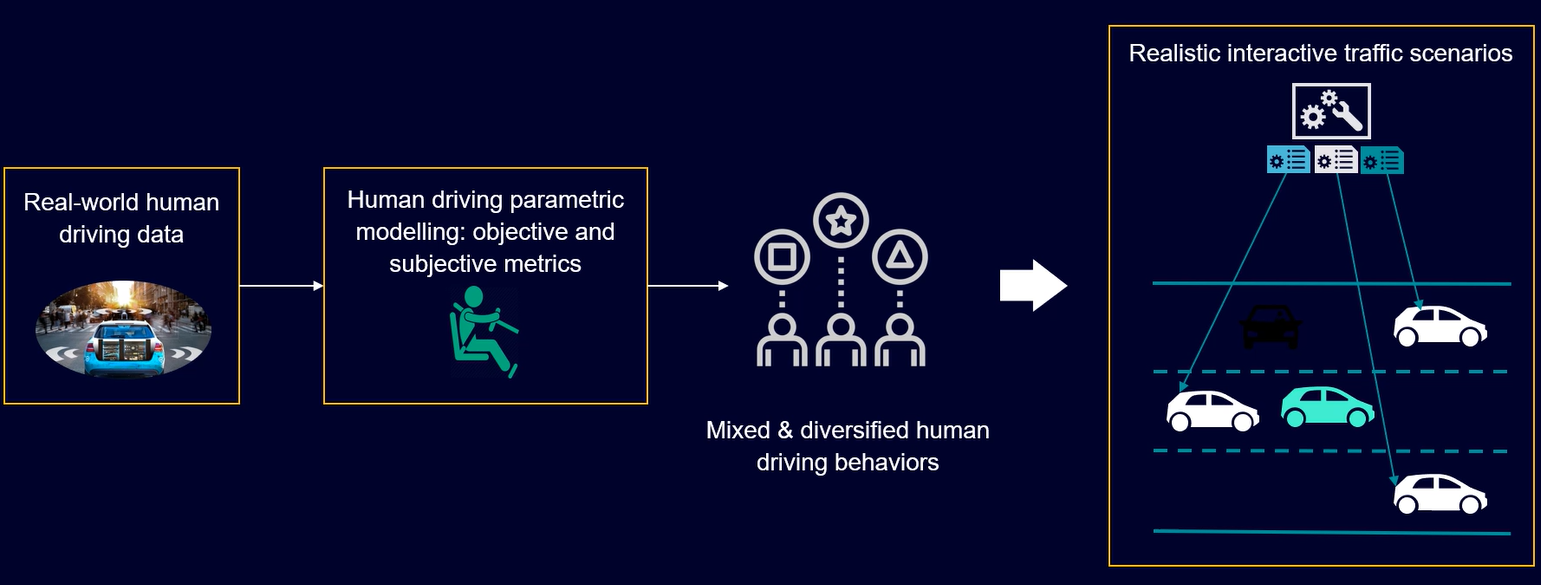
Learning from human driving demonstration is an interesting approach to improve autonomous driving policy. Still, it has some challenges: 1. majority logged data is from normal traffic situations, not sufficient critical and diverse scenarios data; and 2. during training and validation, the other traffic actors do not react to the ego's car policy, or no actual closed-loop response.
![[Papers] IFAC World Congress](/blog/2023/03/ifac-world-congress-papers/cover.png)
It is a nice way to start the weekend after a busy week: Our ADAS R&D team just received notifications that 3 papers got accepted to IFAC World Congress - (probably the biggest event of the Control system society this year). A nice achievement of the team members.
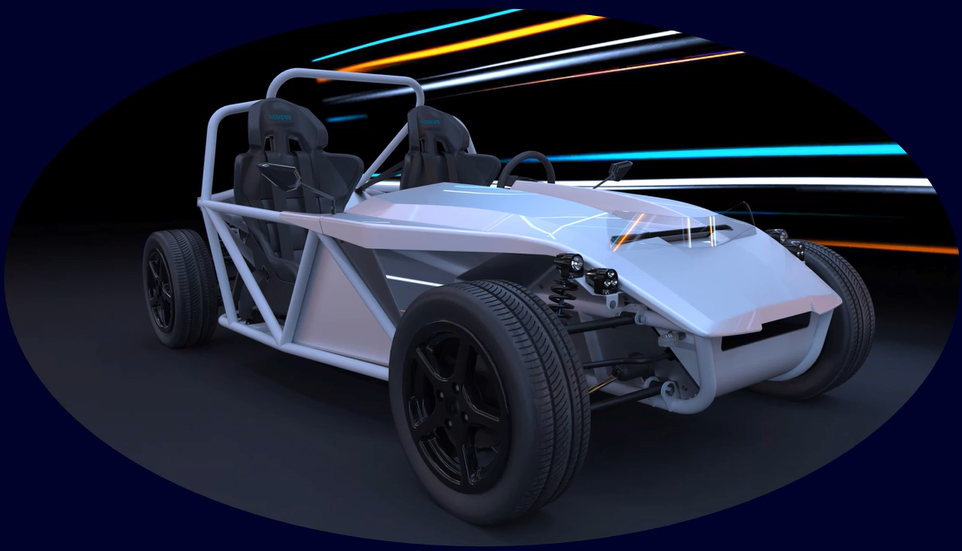
Reinforcement learning (RL) has shown capabilities to deal with complex systems, including autonomous driving. However, most results are only in simulation or game environments as training/testing in real life is unsafe and expensive.
![[Paper] MPC-based Imitation Learning for Human-like Autonomous Driving](/blog/2022/11/mpc-based-imitation-learning-human-like-autonomous-driving/cover.jpg)
This paper draft is a nice piece of writing with quite some works, discussions, demonstrations, and evaluations on different learning methods.
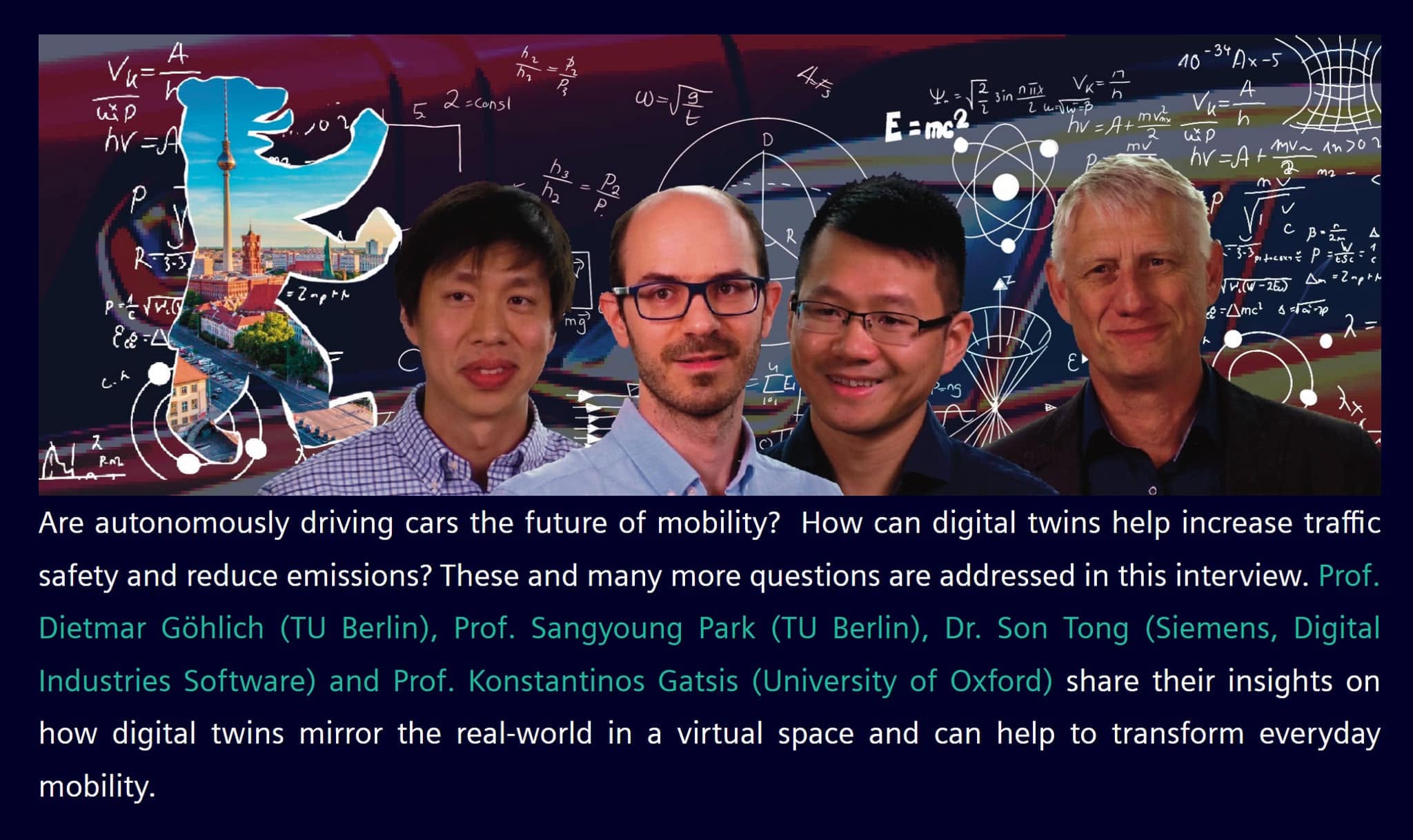
with TU Berlin and University of Oxford. Thanks again Siemens RIE colleagues, Ilaria and Susanne to make this nice interview on our thoughts and sharing in digital twin of connected mobility (also for the nice pictures :) !
We are working together with other EU partners to develop continuous engineering of trustworthy autonomy and implement on industrial autonomous system use cases. In this project newsletter, you can discover more our recent findings and activities. In addition, I also gave an interview (page 7) on my role in the project and more general views on not only technical challenges but also collaborations between industry-academic
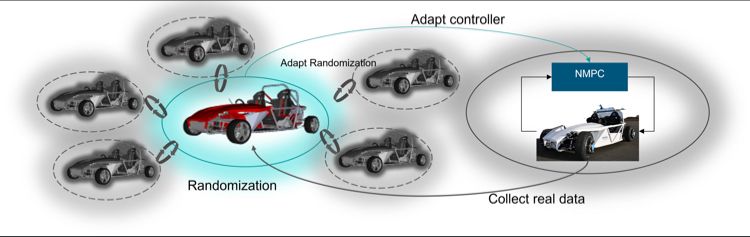
a self-contained virtual representation that models physical behaviors and combines with physical data to provide augmented information.
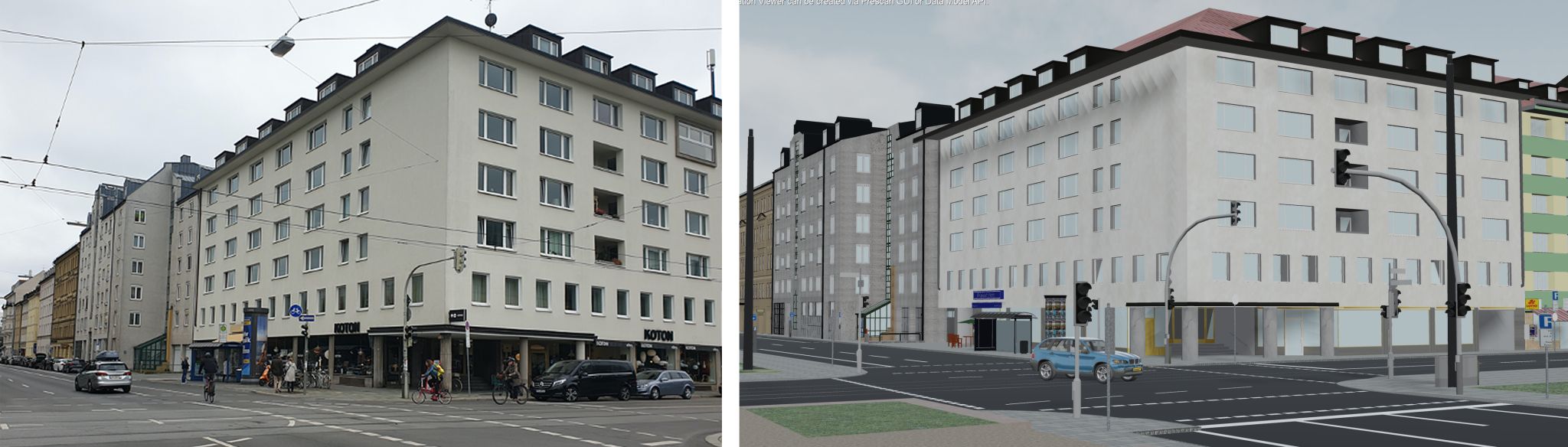
Significant efforts have been also devoted to building and tuning a large and high quality 3D Munich city model (on realism, structure, texture, material). The model is then optimized into a real-time VR platform in Unity, and also Simcenter Prescan to exploit physics-based sensors (lidar, camera, radar) and perception-control algorithms.
I will be speaking in the ADAS &AV Tech Expo next month in San Jose. Hope to see and exchange with you there.