All Posts
Page 7
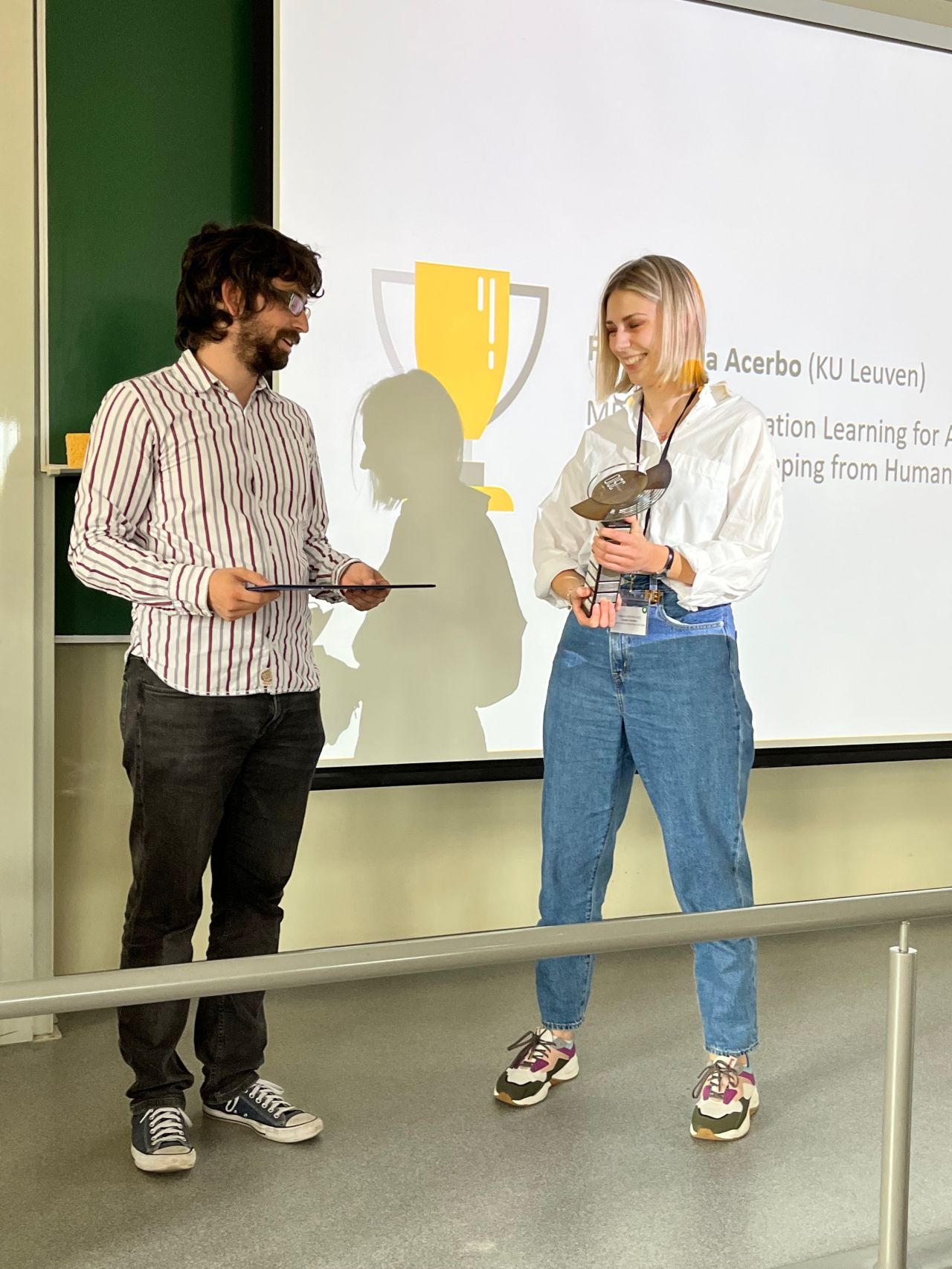
The industrial PhD of Flavia is tackling some very interesting research, and this nice Award apparently shows a concrete progress. The work will also be presented at ICML (International Conference on Machine Learning) next week in Baltimore.
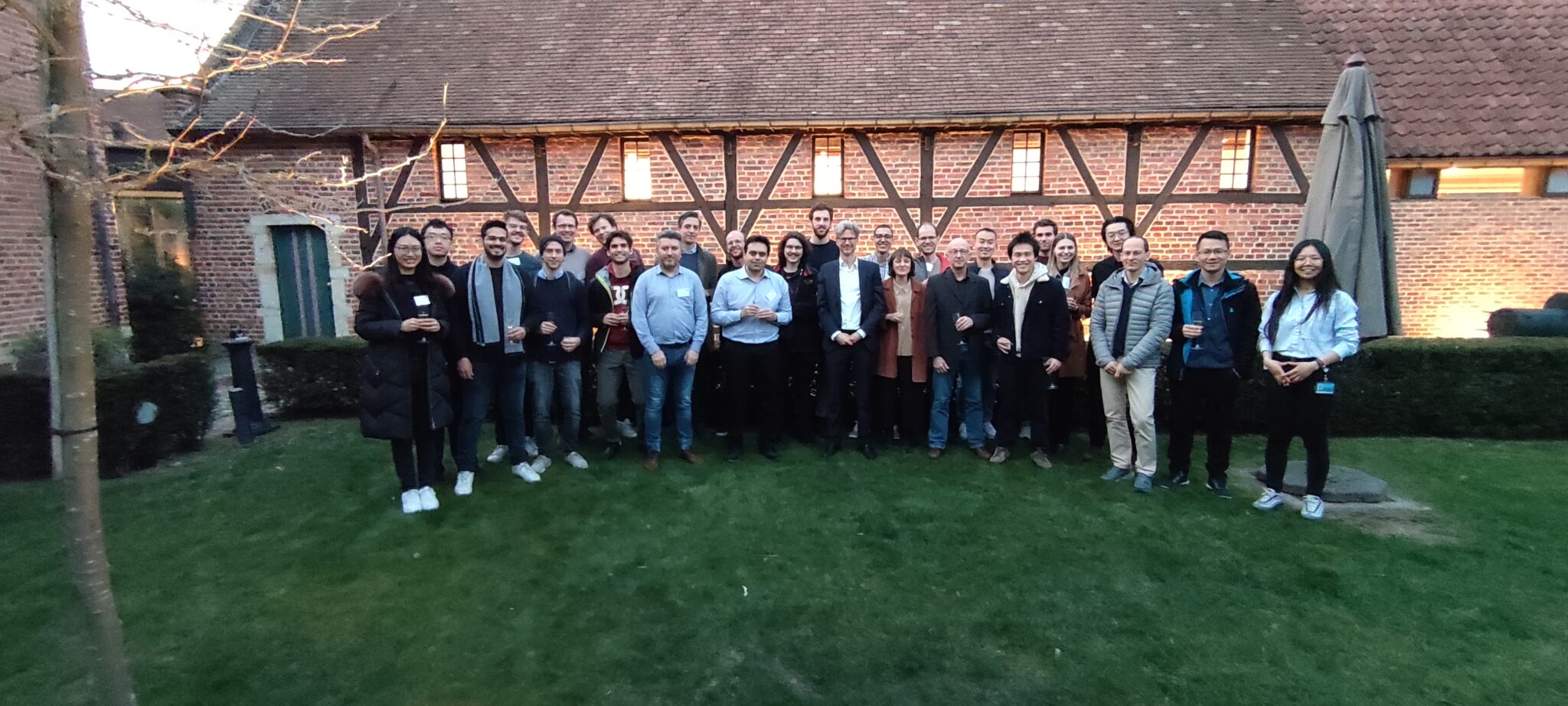
This week we just organized a workshop in Leuven office for the Marie Curie ITN ELO-X supervisors and ESR fellows.

Happy to share some of our team recent works and results on multiple topics around autonomous driving technologies development, leveraged by digital twin. The works are on both physical vehicle testing and virtual validation, implemented by research engineers and industrial PhDs in Engineering Services ADAS at Siemens Digital Industries Software and collaborators.)
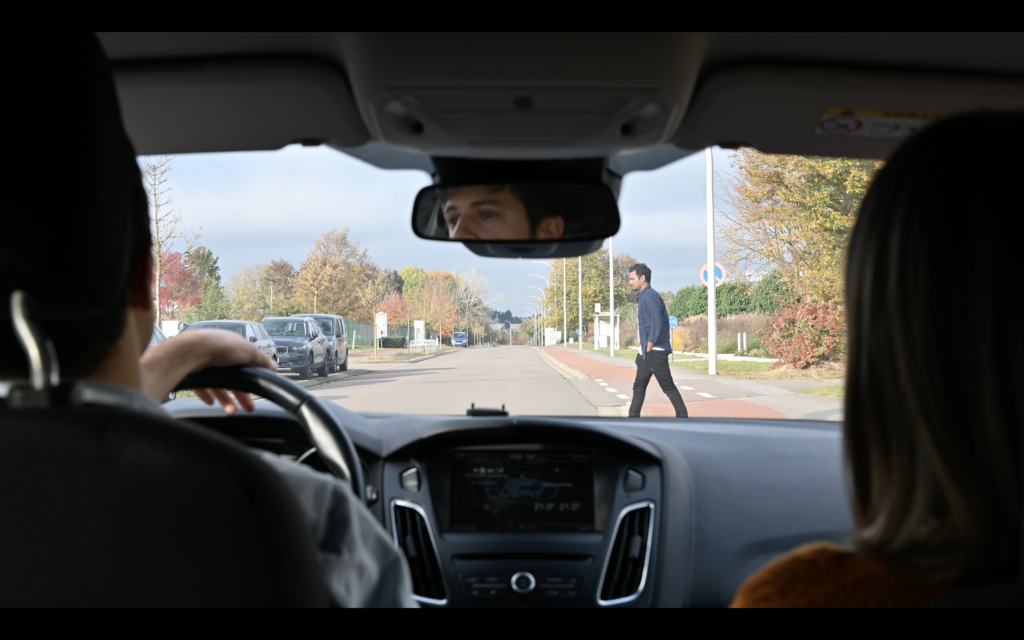
An interesting interview on the topic of ADAS comfort, made by Siemens Simcenter Engineering with our ADAS research engineer, Flavia.
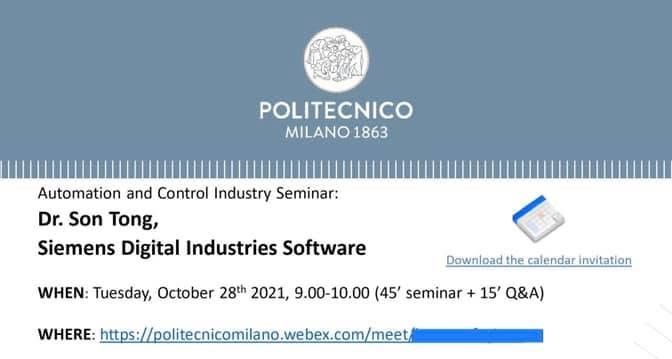
Today I got a great pleasure to be an invited industrial speaker to the students of the Automation and Control Engineering Program of Politecnico di Milano, one of the largest programs I know so far in the field (i.e. with more than 400 control engineering students). I was excited with the opportunity to share and inspire the students with Siemens Simcenter, Digital Twin and engineering technologies, in particular our team developing autonomous vehicle control and testing solutions. Thank you again Prof. Lorenzo Fagiano for the invitation!
![[Paper] Real-time Nonlinear MPC Strategy with Full Vehicle Validation for Autonomous Driving](/blog/2021/10/nmpc-paper/cover.png)
We present the development and deployment of an embedded optimal control strategy for autonomous driving applications on a Ford Focus road vehicle.Non-linear model predictive control (NMPC) is designed and deployed on a system with hard real-time constraints. We show the properties of sequential quadratic programming (SQP) optimization solvers that are suitable for driving tasks
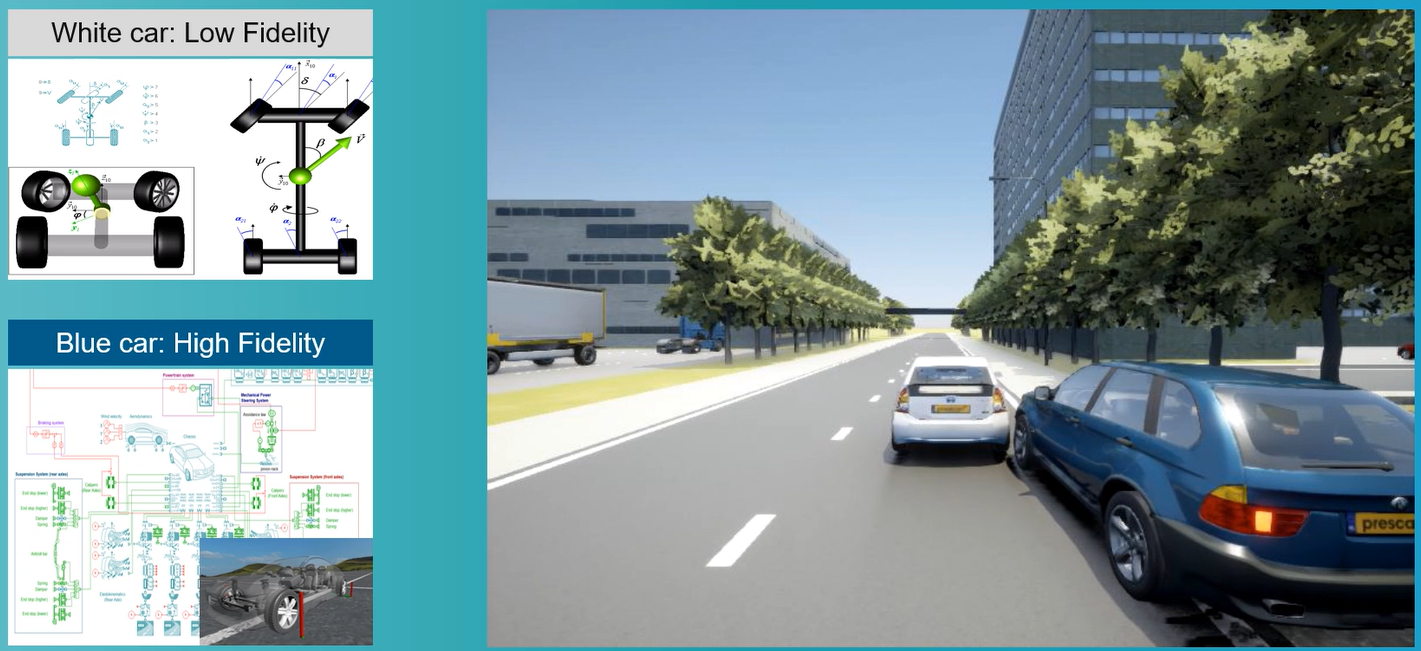
We show a demo comparison for an autonomous lane change scenario, where the same vehicle control system was applied to two vehicle dynamics models
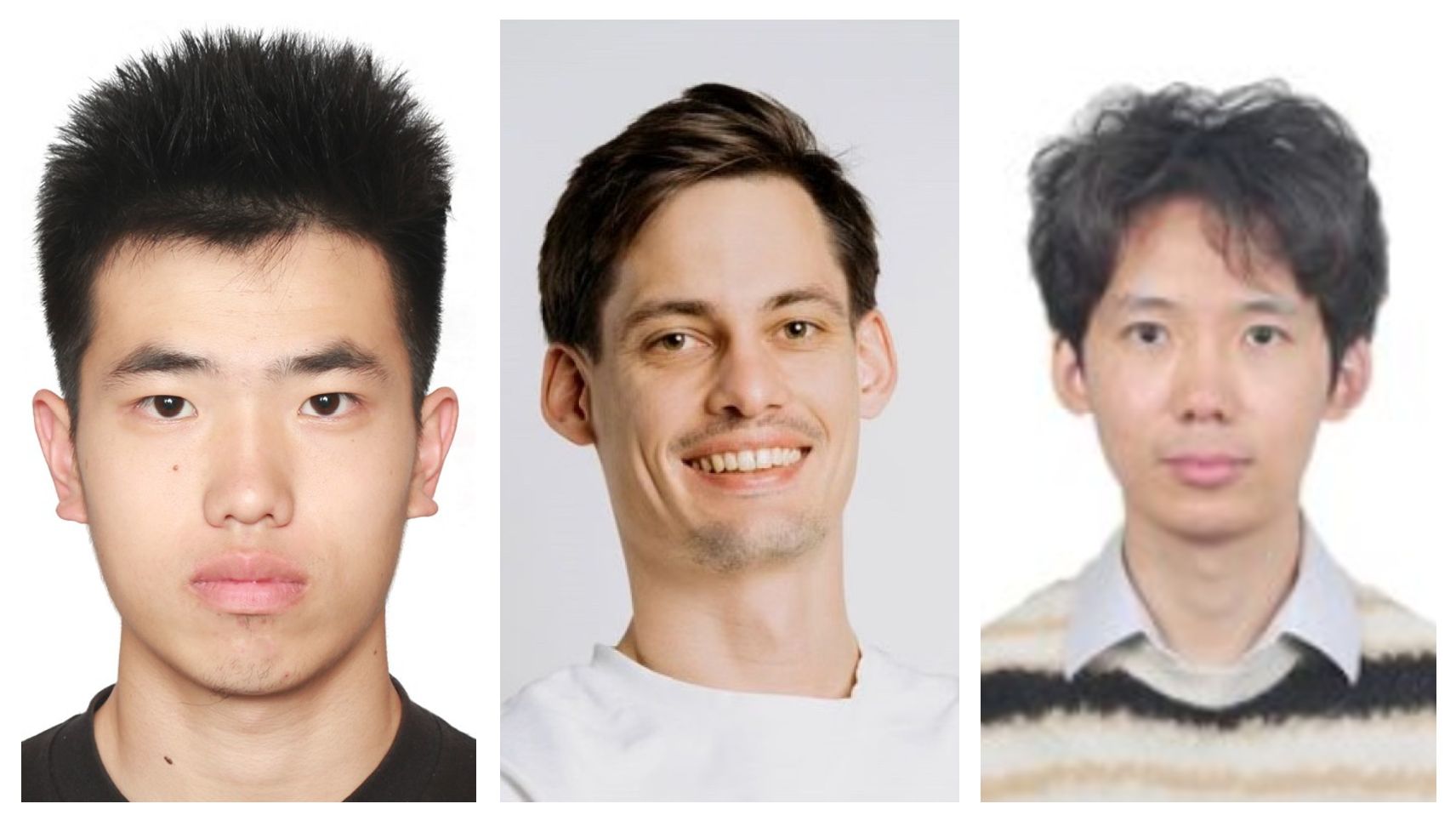
Covid time and new rules make it harder for both companies and universities. Still, this semester our R&D team at Siemens Digital Industries Software just welcomed three Master thesis/intern students coming from TU Delft Master of Robotics: Kevin Voogd, Jianfeng Cui, and Yurui Du.
![[Paper] IEEE IV 2021, IEEE ITSC 2021, JSAE 2021](/blog/2021/07/paper-2021-iv-itsc-jsae/cover.png)
In the last few months, we have made some more progress to tackle some autonomous driving challenges in industry.
![[Demo] Testing on Real Vehicle](/blog/2021/05/testing-on-real-vehicle/cover.png)
Testing and validation are big challenges in the autonomous vehicles driving industry. Your ADAS engineers keep developing new perception or control algorithms, but what is an efficient process starting from there to vehicle deployment?
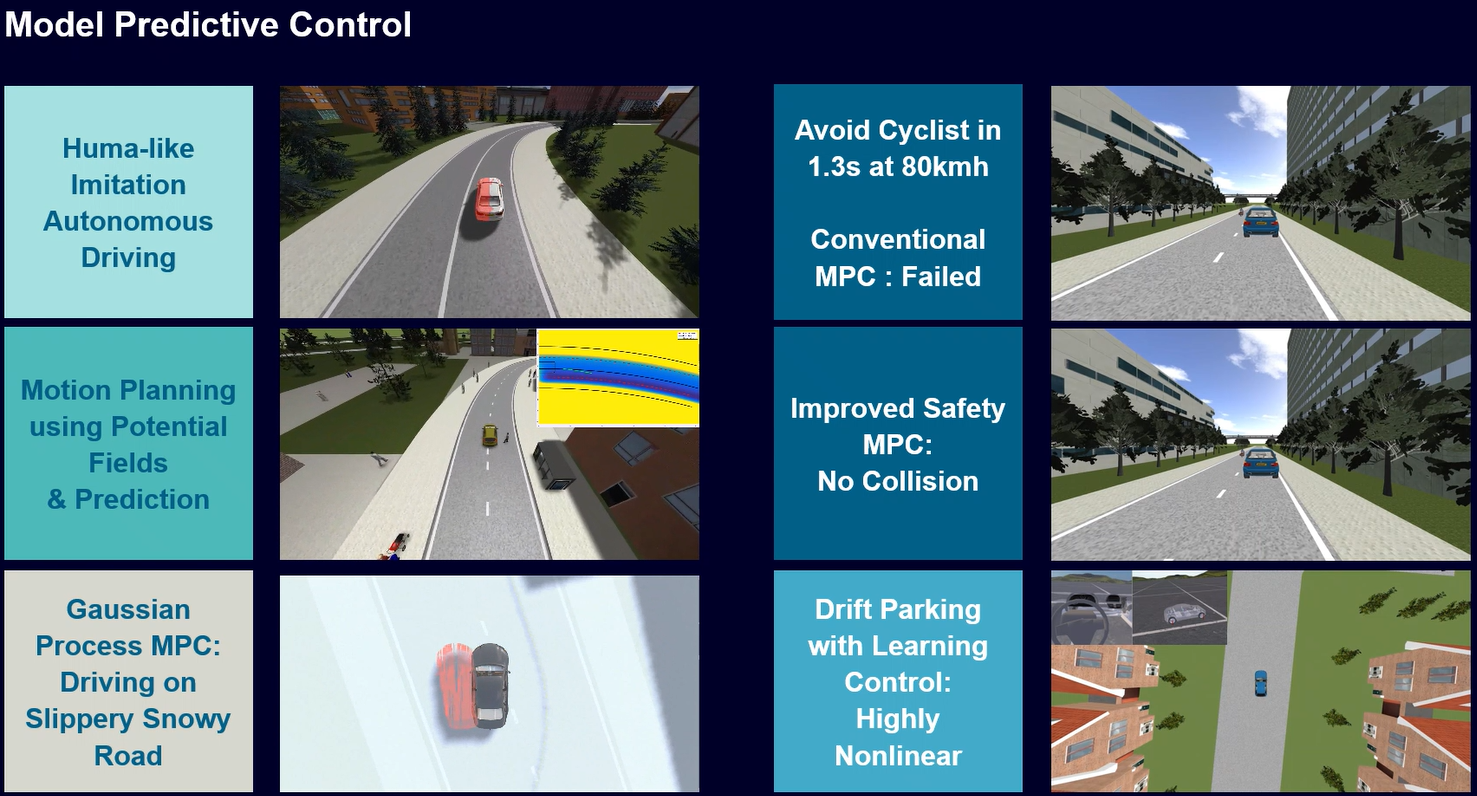
The key is to optimize control actions over a prediction horizon, which is often short due to computation.
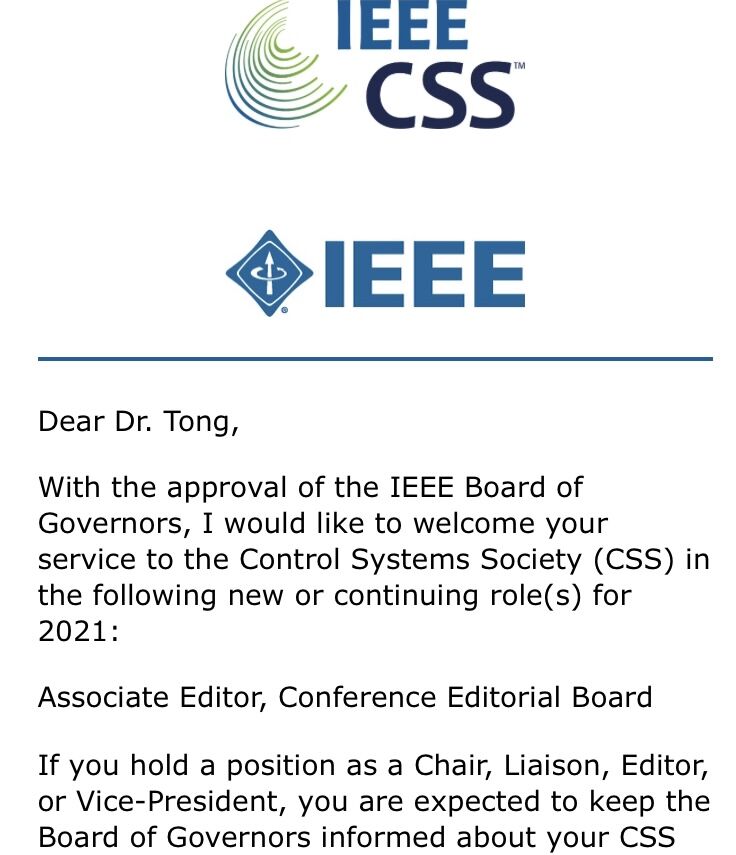
This is my third year serving in the control system society as Associate Editor for conferences like CDC and ACC. A small role but I find this editorial work is an interesting way to keep updated with (and learn from) latest developments regularly from academics, and at the same time provide my R&D industry visions to the community!